
Designing the invisible operations behind vending machines

I worked as a refiller and an operator for two weeks, then redesigned the system that keeps 500+ smart vending machines stocked, sold and accounted for.

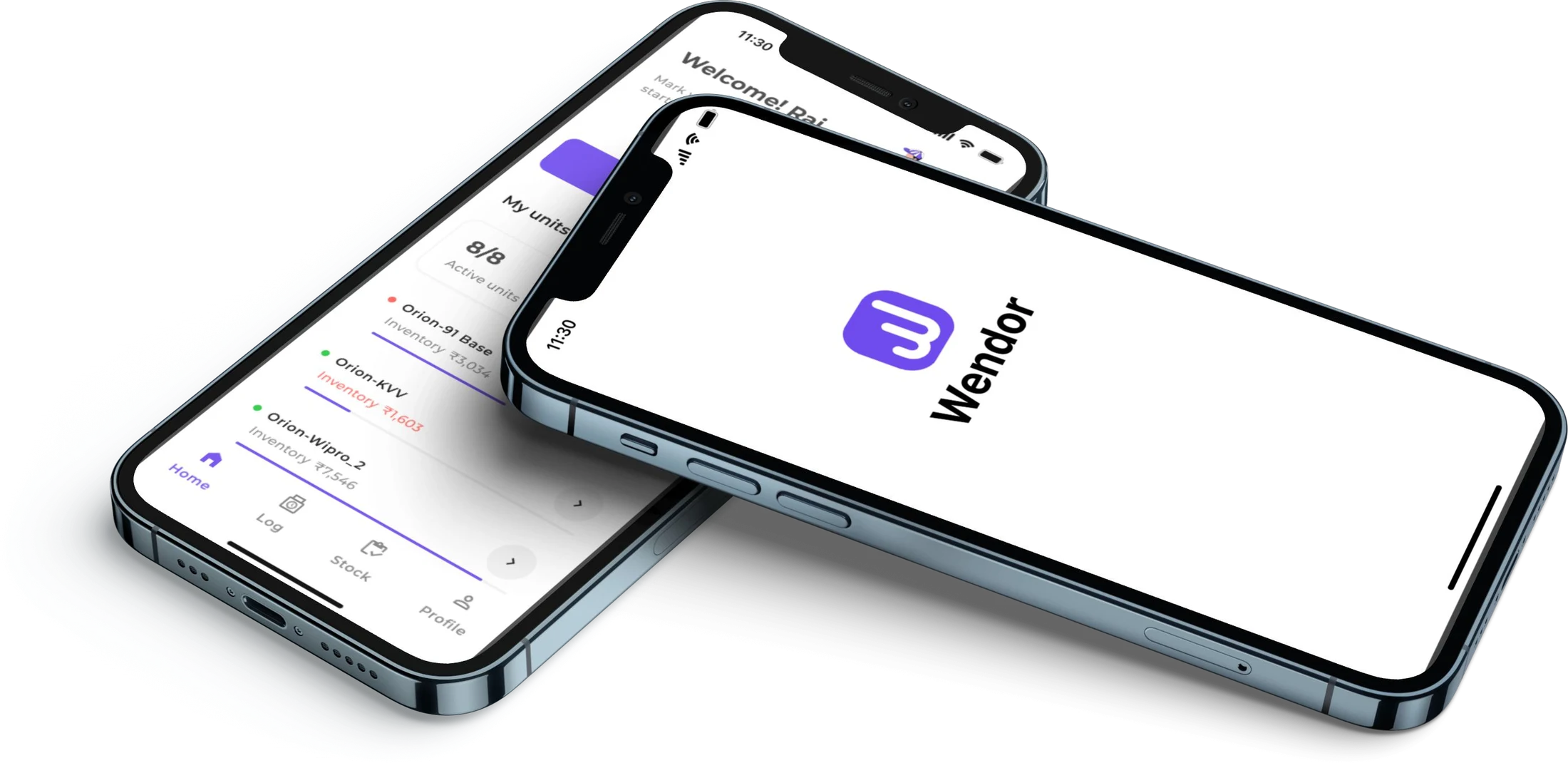
Two phones showing the Wendor app: the splash screen and the refiller home screen

01The core idea

Wendor's machines were smart. The work behind them ran on WhatsApp, phone calls and memory.

About

Wendor builds IoT vending machines for offices, campuses, residential societies and public spaces across India. They take UPI, cards and wallets, and they report sales and stock in real time.

But the people who keep them running couldn't see any of that. I found six failures that ran through the whole operation and designed one app with two sides: a guided tool for refillers and a control room for operators.

Approach

  1. Research

    Two weeks working as a refiller and an operator to feel the real constraints and hidden friction.

  2. Synthesis

    Mapped bottlenecks across refilling, stock control, refunds and uptime; found six systemic failures.

  3. Design

    Built the workflow around visibility, predictability and trust, not around screens and features.

  4. Prototyping

    Prototyped the riskiest flows first: refill planning and refill entry at the machine.

  5. Testing

    Validated on the ground with refillers and operators, cutting paths and taps from their feedback.

Timeline

12 weeks, 6 phases
  1. 01
    Worked as a refiller and operatorRode the routes and ran the dashboard myself
    Weeks 1–22 wks
  2. 02
    Mapped bottlenecksRefilling, stock, refunds, uptime
    Weeks 3–42 wks
  3. 03
    Analysis and synthesisFive systemic failures identified
    Weeks 4–63 wks
  4. 04
    Ideation and prototypingRiskiest flows first
    Weeks 6–94 wks
  5. 05
    Testing with refillers and operatorsCut paths and taps from field feedback
    Weeks 9–113 wks
  6. 06
    System integrationRefiller and operator apps joined up
    Weeks 11–122 wks

02Going undercover

Interviews told me what hurt. So I took the jobs.

Meeting the makers

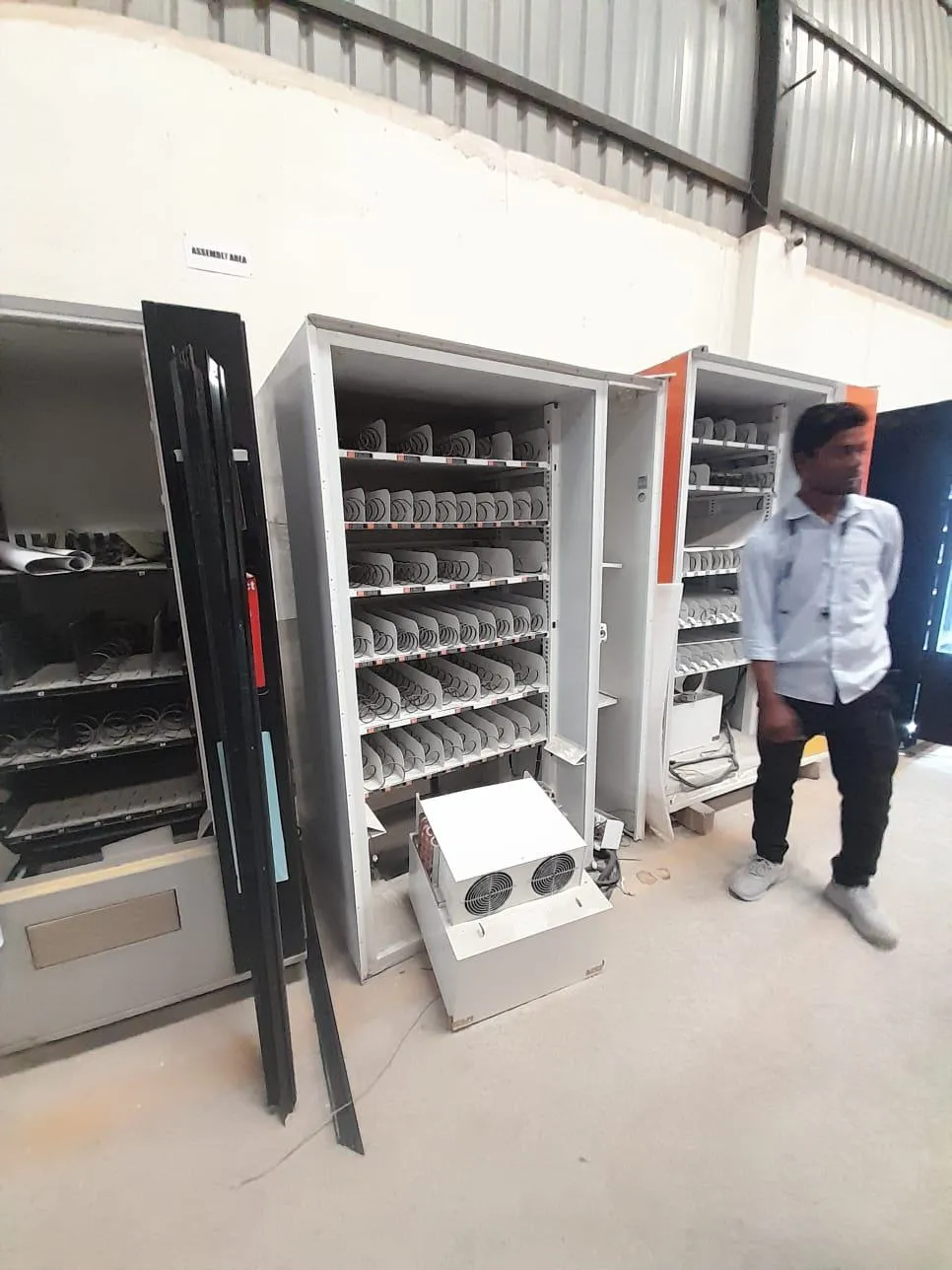
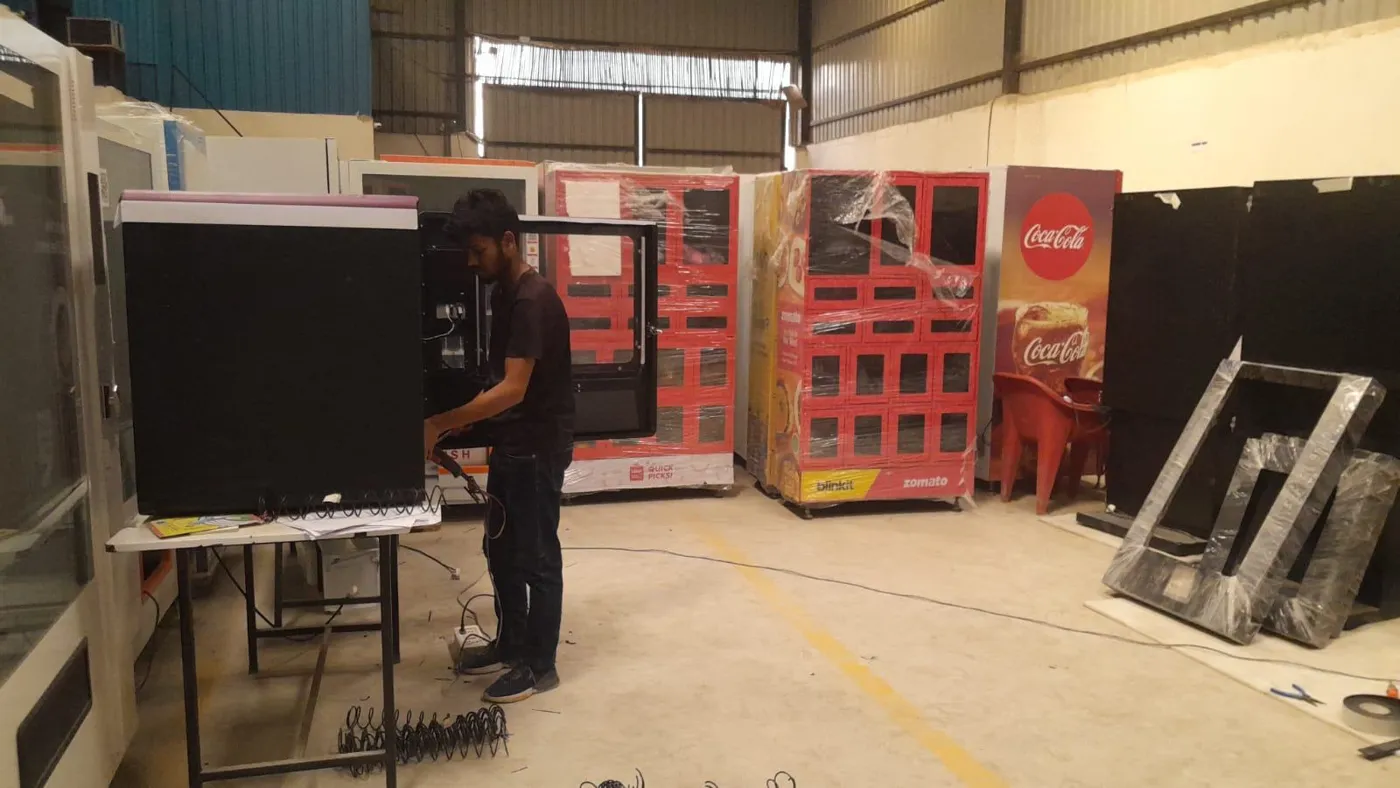
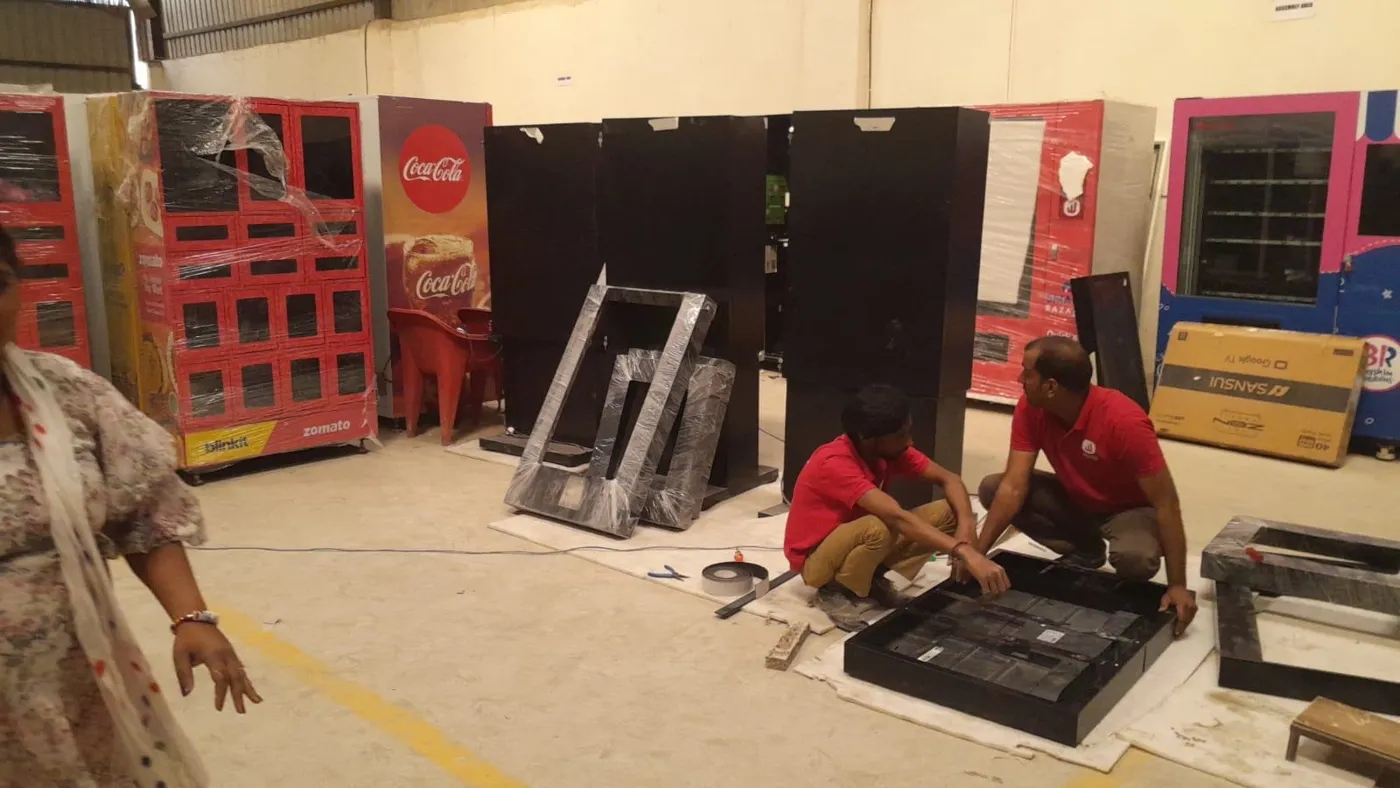
Sales, operations, refillers, operators, engineers and management each gave me a different version of how the business worked. Then I visited the factory in Bahadurgarh, Haryana, to see how machines are built, loaded and connected.

  • Sales
  • Operations
  • Refillers
  • Operators
  • Engineers
  • Management
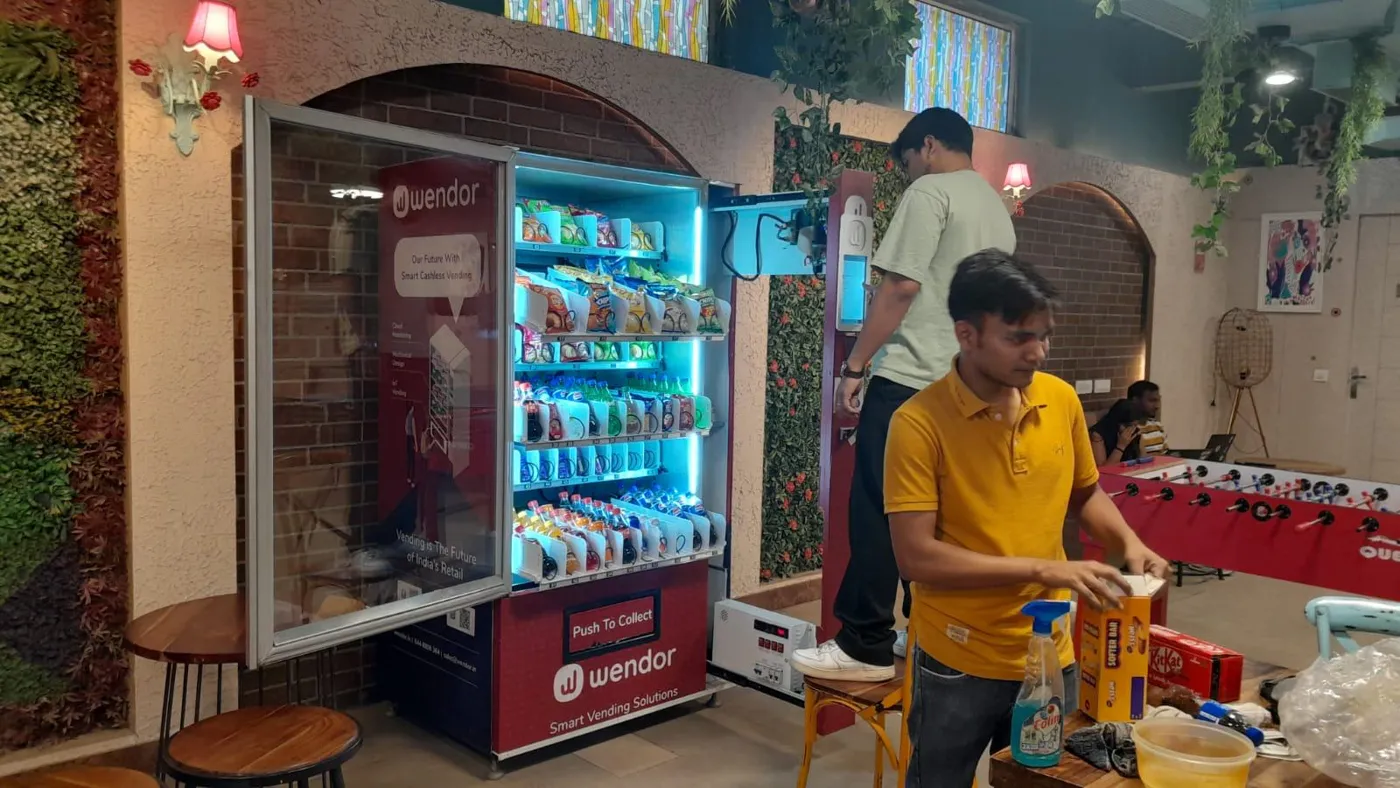
A finished, lit-up Wendor machine being set up
Where it all happens: the Wendor factory, Bahadurgarh
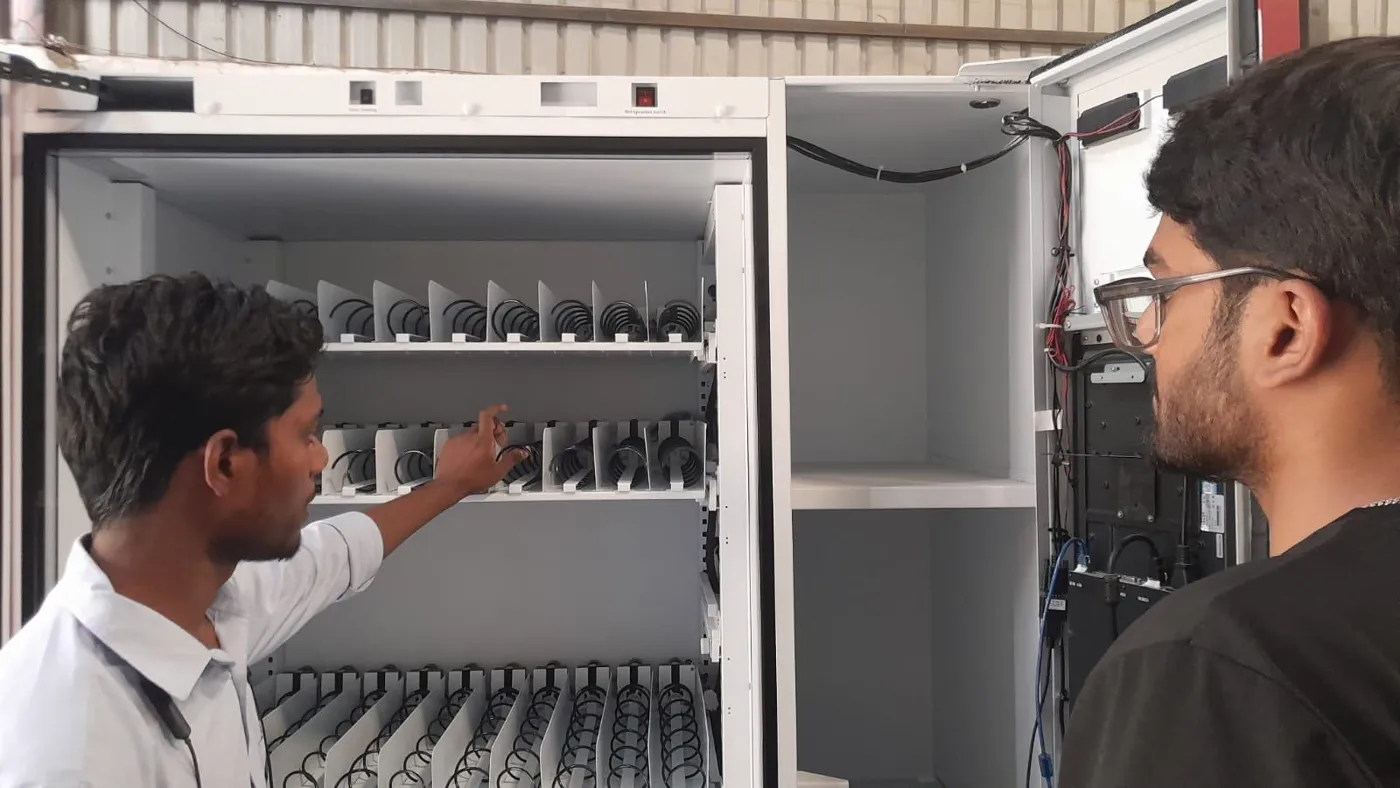
An engineer showing the inside of a machine's product trays
An open machine frame with its spiral coils exposed
Machines being assembled on the factory floor
Technicians assembling a machine

Role immersion

Two weeks as a refiller

Four machines a day: carrying stock, resetting trays, updating inventory and reporting back to operators.

Then as an operator

Six machines and two refillers: assigning work, handling refunds, tracking stock and fielding escalations.

“Poor information became physical inefficiency. I carried weight I didn't need, rode to machines that didn't need me, and came back with leftovers.”

The information gap

What I needed

  • Machine status
  • Product-level inventory
  • Warehouse stock
  • Priority

What I actually had

  • Memory
  • Previous experience
  • Guesswork
  • Phone calls

What happened

  • OverestimationCarried weight and products I didn't need
  • UnderestimationCouldn't complete the refill
  • Wrong productCreated leftovers
  • Wrong priorityVisited a machine that didn't need me

A refiller's day

  1. 08:30Warehouse

    Decide what to carry from memory, yesterday's calls and guesswork.

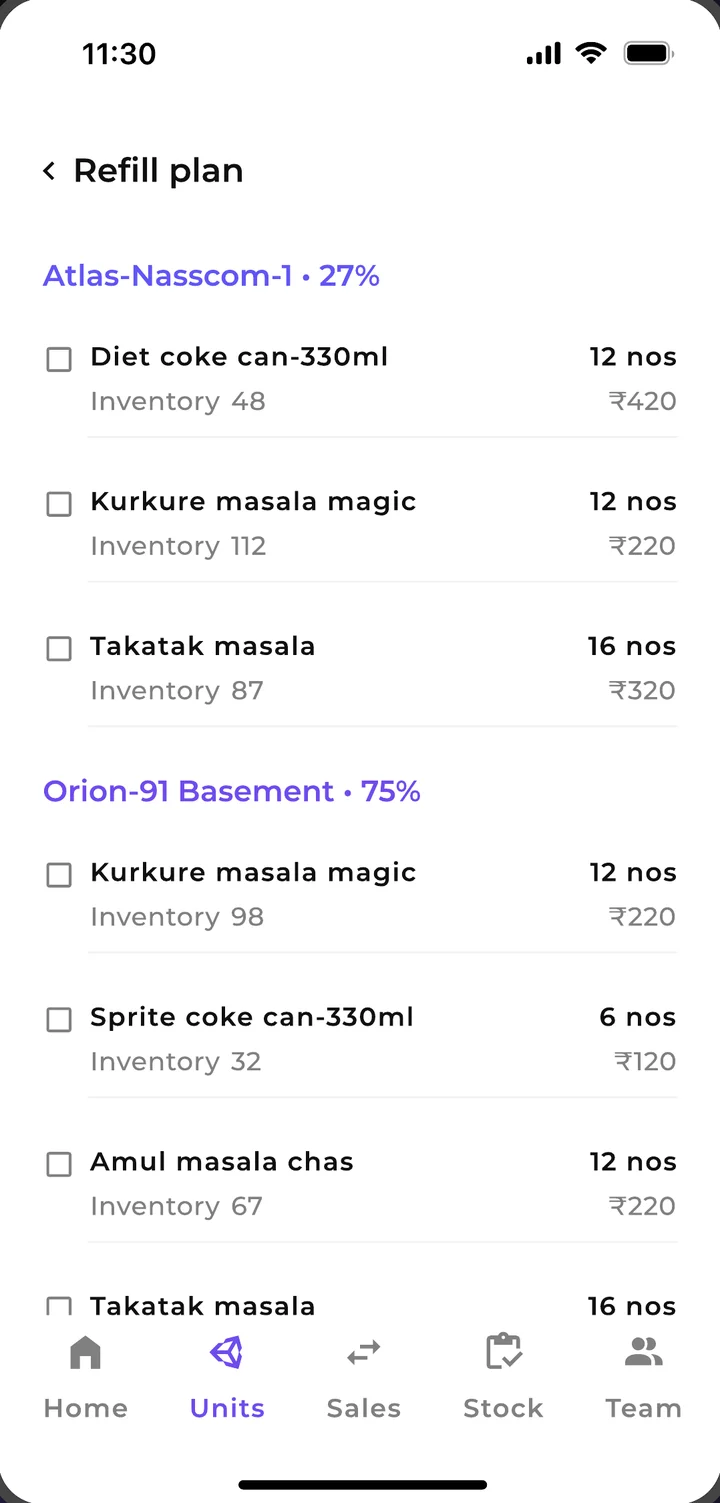
    The refill plan lists every machine, what it needs and how much to carry.

  2. 09:00Packing

    Discover a product is out of stock, with no way to fix it from the floor.

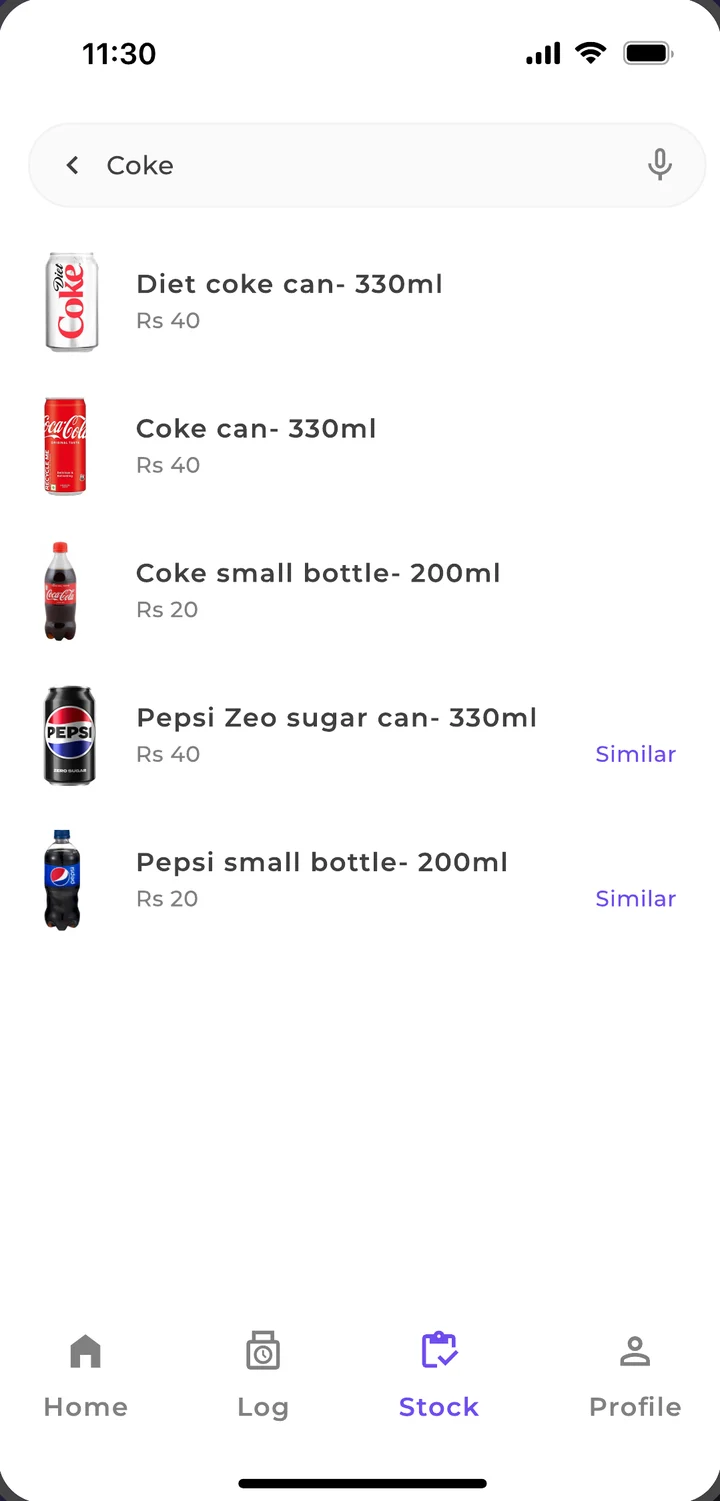
    Wendor AI suggests a substitute, like Pepsi for Coke, and adds it to the list.

  3. 09:3020–40 km on a bike

    Ride to a machine that turns out to be full.

    Machines show stock as a percentage, so the emptiest go first.

  4. 10:15At the machine

    Key every slot into the panel. One wrong tap and the audit breaks.

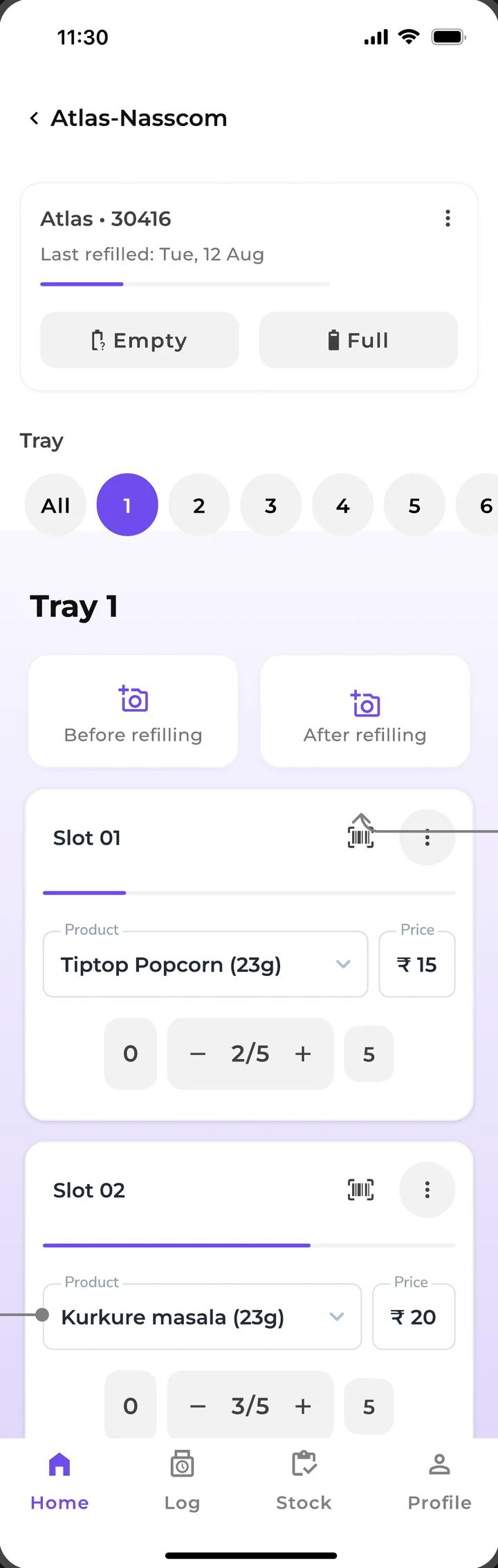
    Pick the tray, scan the barcode, tap plus or minus. Photos before and after are the proof.

  5. 11:00Reporting

    Send a photo on WhatsApp. The operator calls anyway.

    The refill syncs on its own and the operator sees it live.

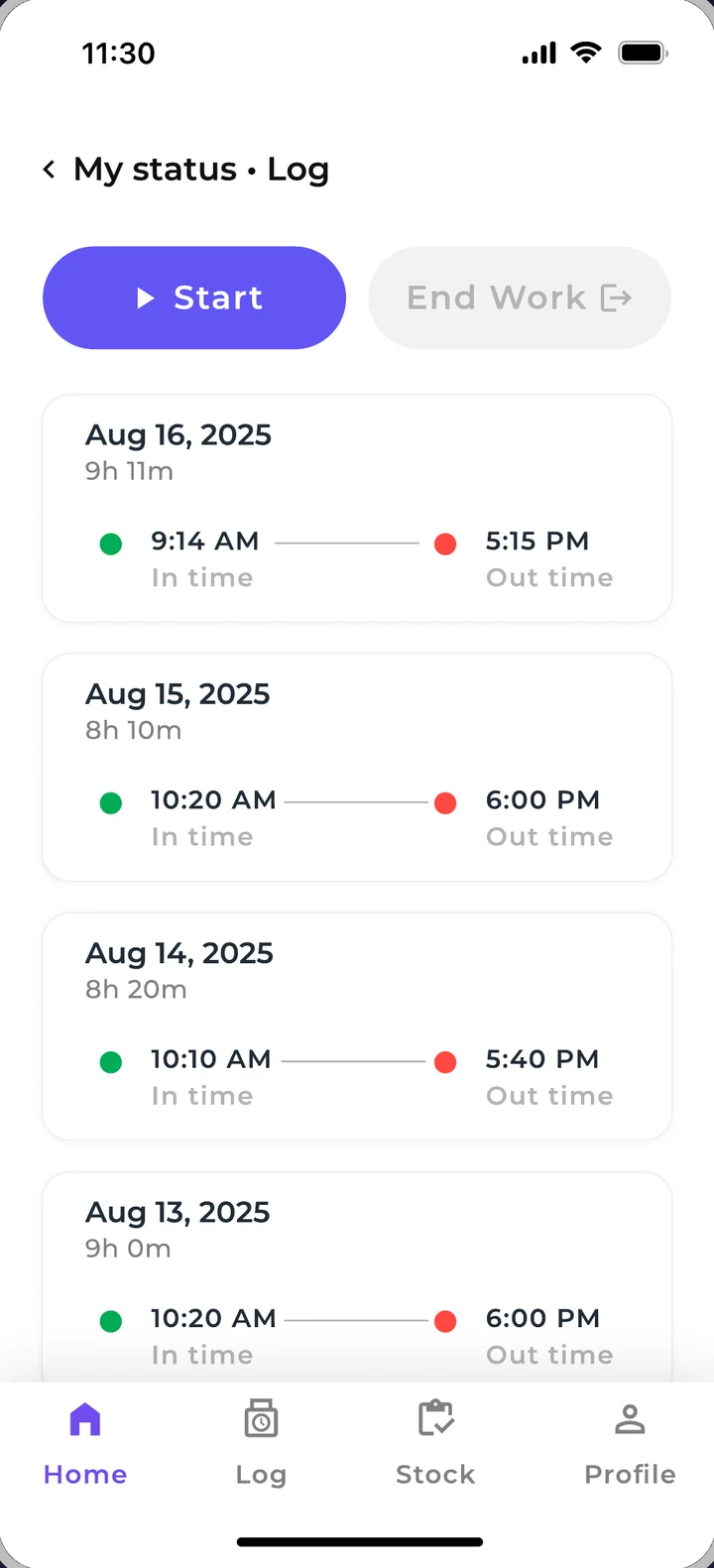
  6. 18:00End of shift

    No record of hours, breaks or overtime.

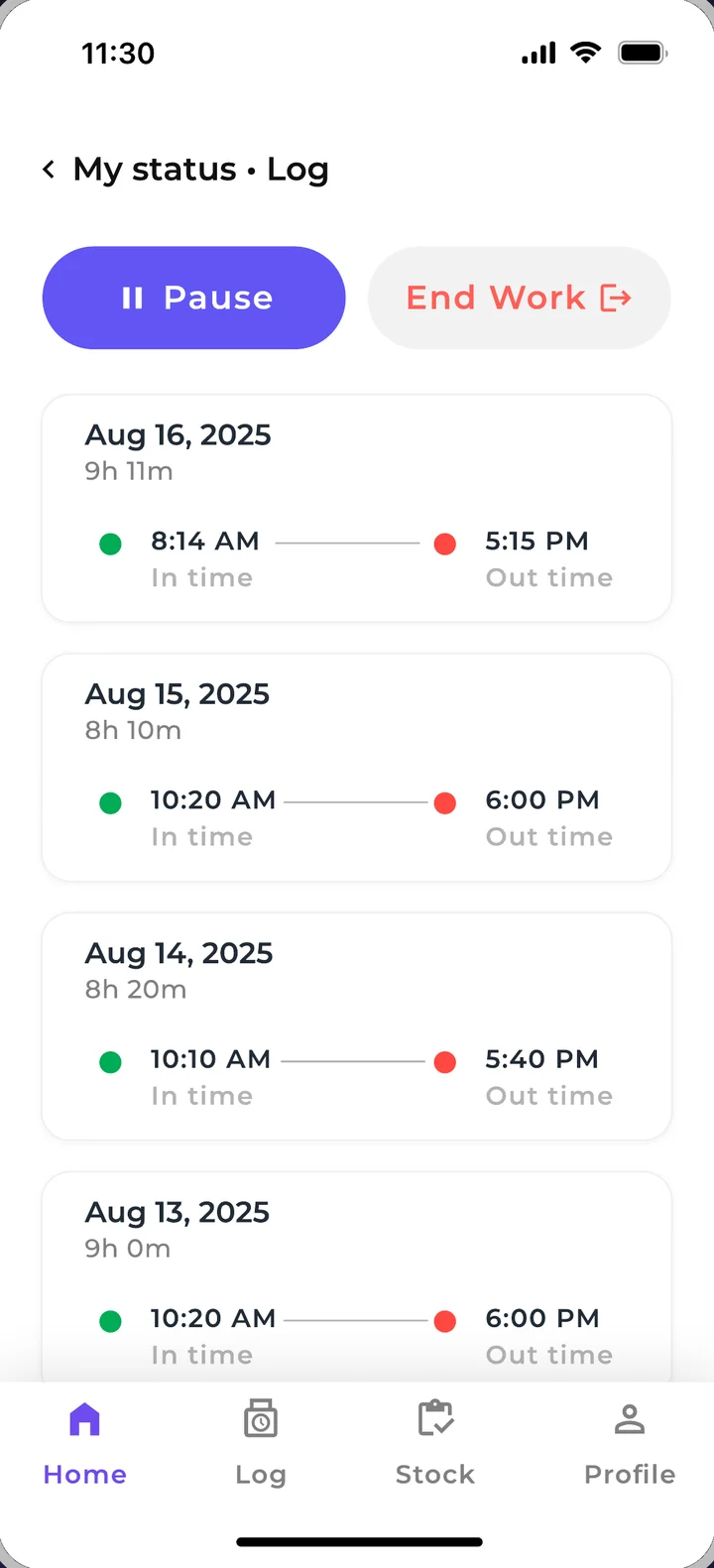
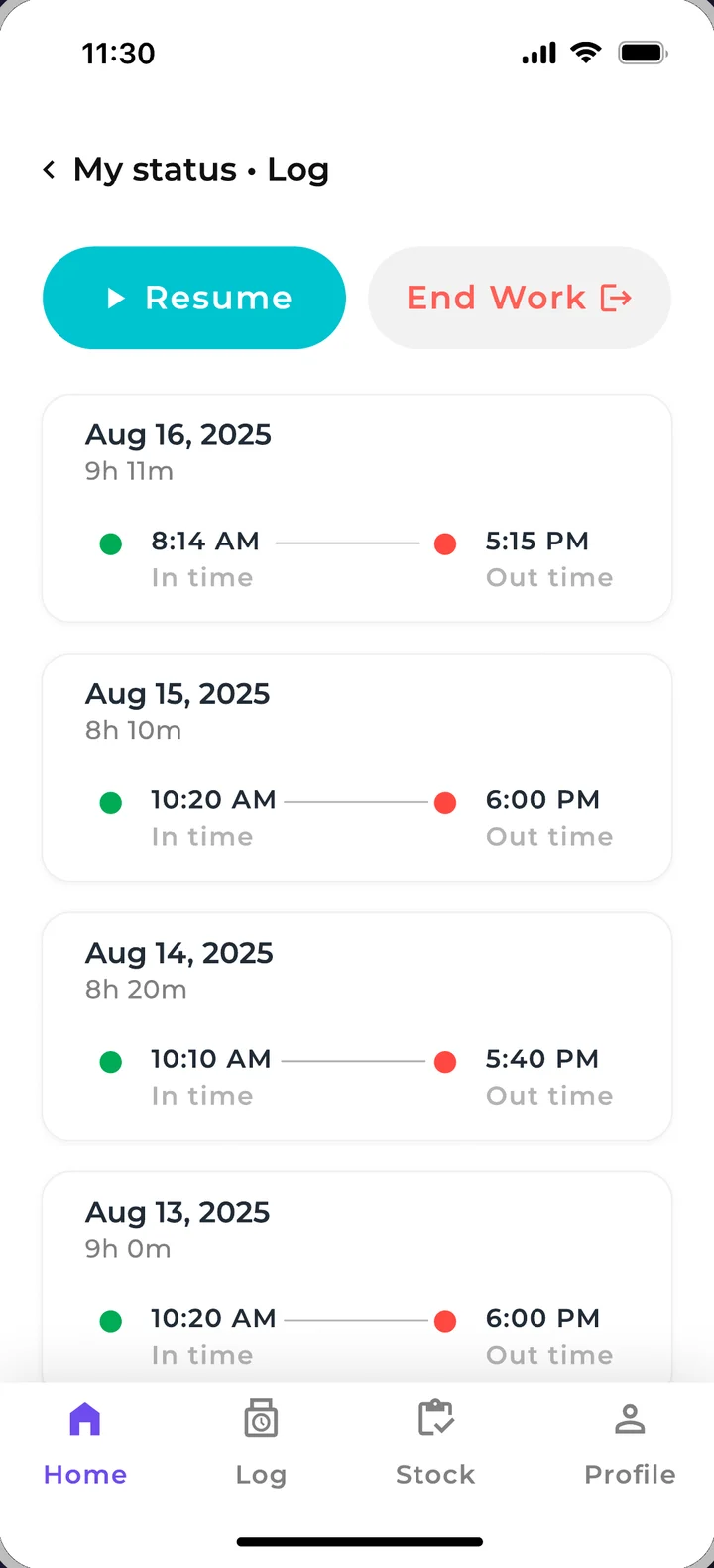
    Start, pause and end work in the app, with a log of every day.

The traditional workflows, step by step

Refilling a machine

  1. Get to the warehouse
  2. Plan items to carry
  3. Gather the items
  4. Pack the delivery bag
  5. Ride to the machine
  6. Open it with the key
  7. Pull out the tray
  8. Start refilling
  9. Note how many items went in
  10. Open refiller mode on the machine
  11. Update inventory by hand
  12. Photograph the stocked machine
  13. Send the photo to the operator

Ordering stock as a refiller

  1. Notice items have run out
  2. Write a list of what to buy
  3. Call the operator
  4. Send the list on WhatsApp
  5. Operator contacts the seller
  6. Seller generates a bill
  7. Seller sends it to confirm
  8. Operator verifies
  9. Operator pays
  10. Seller delivers to the warehouse
  11. Inventory gets updated

The warehouse bottleneck

Finding an empty shelf didn't mean I could fix it. Restocking one product meant a relay across three people and two chat apps.

    An operator's day

    Operator

    Where is everyone?

    What's happening?

    What needs attention?

    What stock is needed?

    Which machine is at risk?

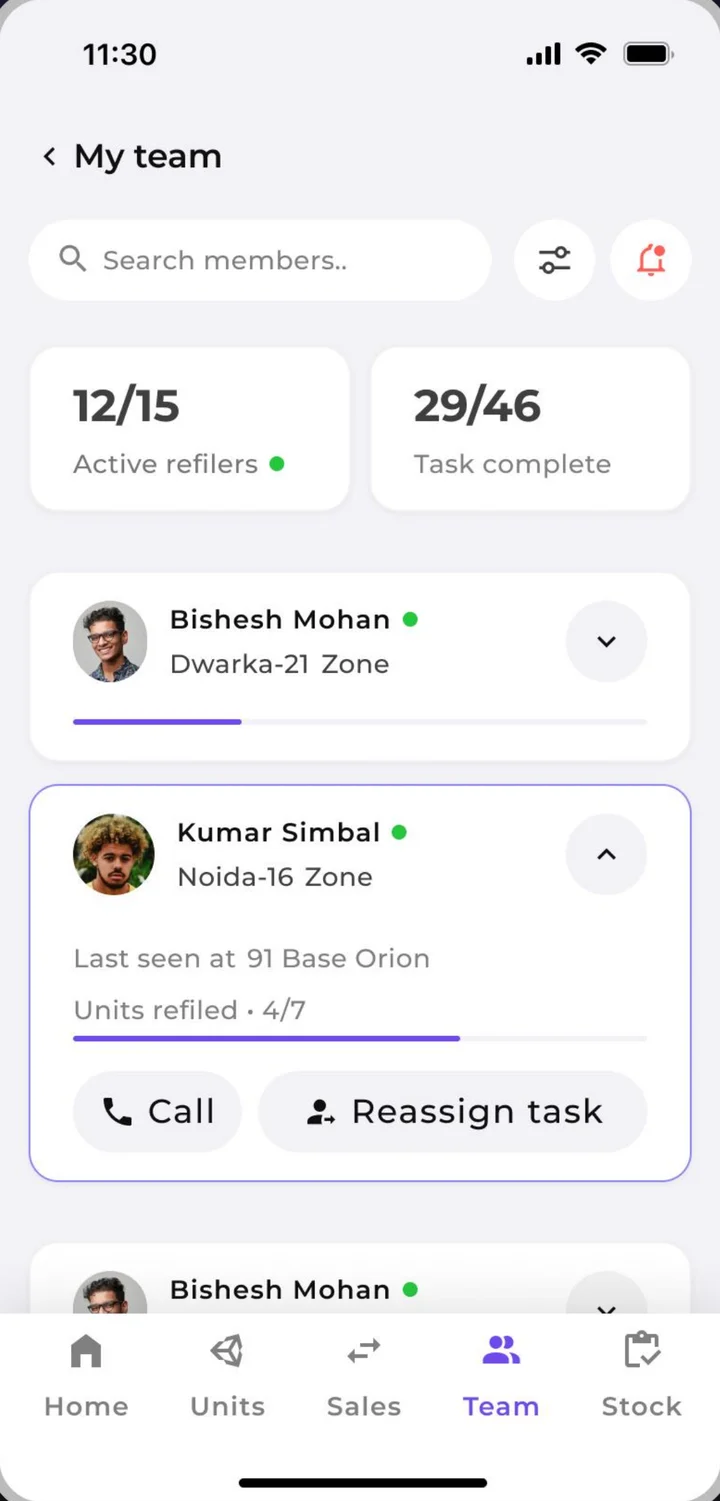
    The same five questions, asked over and over, every day. Every answer lived in someone's memory, their routes and a set of informal shortcuts. The operator app is built to answer all five on one screen.

    03The ecosystem

    Goods moved from vendor to customer. Information was meant to flow back. It never did.

    • Goods
    • Information, by phone and WhatsApp

    Select a node

    Six parties keep one machine stocked

    Tap any of them to see what they do and where the work broke down.

    Four tools, no single source of truth

    R
    Refill teamOperators and refillers

    RefillerI don't know what the machine needs before I leave.

    OperatorI start my day blind. No idea which machine failed.

    RefillerIt's stressful when operators call 10 times.

    OperatorRefunds take too long. Customers get angry.

    RefillerI sometimes travel far only to find the machine still full.

    OperatorAudits are a nightmare because proof is scattered.

    Real quotes from my interviews, set out the way they usually arrived.

    • WhatsApp

      Refill status and issues. Unstructured, hard to track, easily lost.

    • Phone calls

      Urgent updates. No record, easy to misunderstand.

    • Email

      Purchase orders, refunds, complaints. Slow, history scattered.

    • Excel

      Sales, inventory, performance. Mixed formats, manual errors.

    04Who it's for

    One person on a bike needs to know what to do next. One behind a screen needs to see everything at once.

    Portrait used for the Ramesh persona

    Ramesh Singh

    Age
    28
    Role
    Field refiller
    Experience
    4 years
    Tech comfort
    WhatsApp, simple apps
    “If I know exactly what to carry and what to refill before I leave, my day becomes much easier.”

    Goals

    • Clear instructions on what to refill
    • Finish quickly without confusion
    • No errors in stock entry
    • Report completion easily

    Pain points

    • Unsure of stock needs before arriving
    • Slow manual entry on the machine
    • Calls from managers all day
    • No proof of the work he did
    The interview questions I asked

    Refillers

    • Walk me through a normal day of refilling.
    • How do you find out what each machine needs before going?
    • What challenges do you face while refilling?
    • Have you carried the wrong or extra stock? How often?
    • How long does one refill take?
    • What do you use to track refills: phone, app or notebook?
    • How do you stay in touch with your manager?
    • Tell me about a time a refill went wrong.
    • How do you report back after a refill?
    • If you could change one thing, what would it be?

    Operators

    • How do you track stock in your machines?
    • How do you decide which machine to refill first?
    • How often do refillers update you?
    • How much time do you spend checking in each day?
    • How do you verify refill reports?
    • Have you seen mismatches between reports and stock?
    • How do you handle empty machines or breakdowns?
    • What would make your work easier and faster?

    Methods: contextual inquiry, shadowing, day-journey mapping, in-depth interviews with refillers, operators and warehouse managers, and notes compared against my own time in both roles.

    05Research insights

    The hardware was modern. The operations were manual. I traced the gap to six failures.

    1. 01Refilling fails before the refiller leaves the warehouse

      Refillers carry the wrong stock, the wrong quantities or things nobody needs.

      UX decisionSmart refill planner: stock percentage per machine, quantity to carry, urgency and AI substitutes.

    2. 02Operators run on phone calls

      No real-time view of machines, sales or refiller progress.

      UX decisionOne operator dashboard: live status, trends, alerts and a team overview.

    3. 03Typing stock into the machine creates errors

      Wrong inputs lead to mismatched audits, which lead to mistrust.

      UX decisionGuided refill: tray mapping, barcode scanning, synced counts, before and after photos.

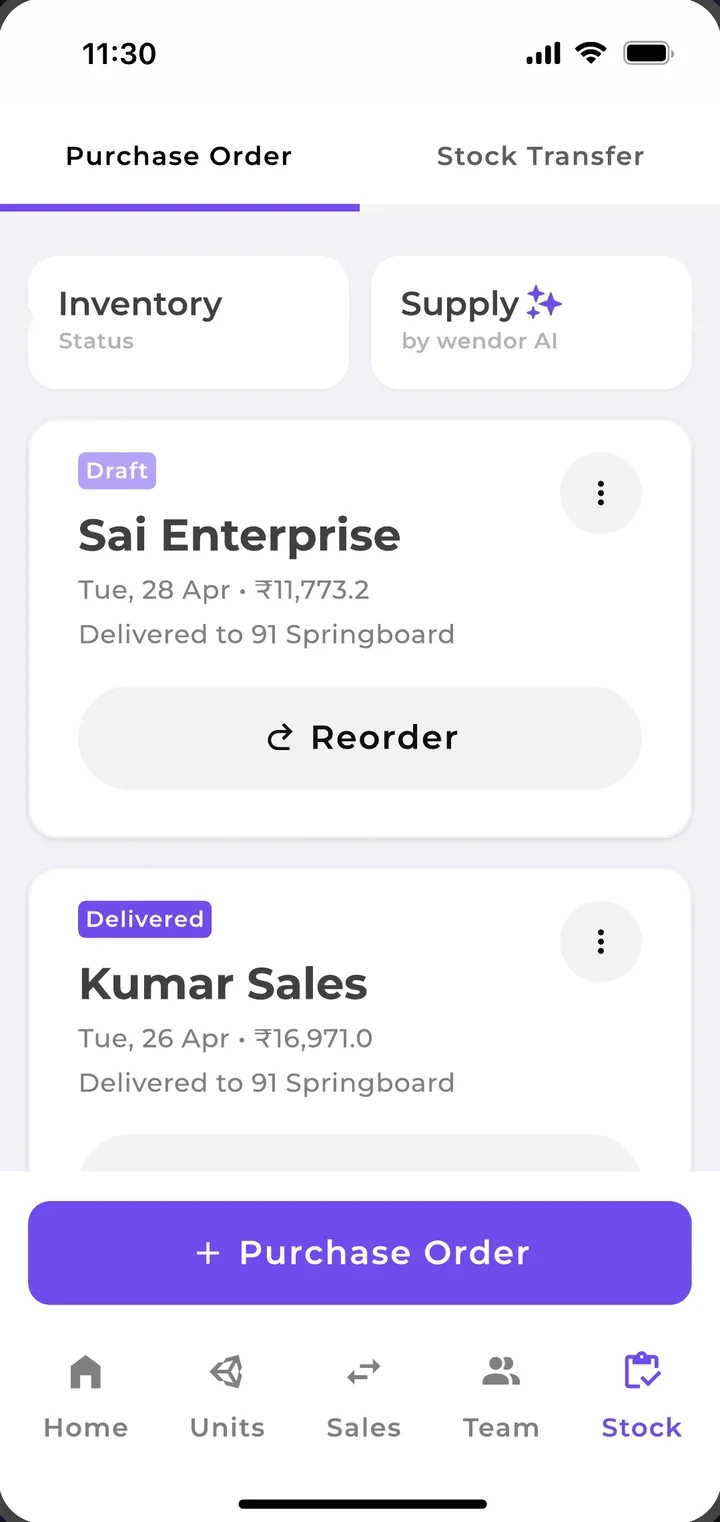
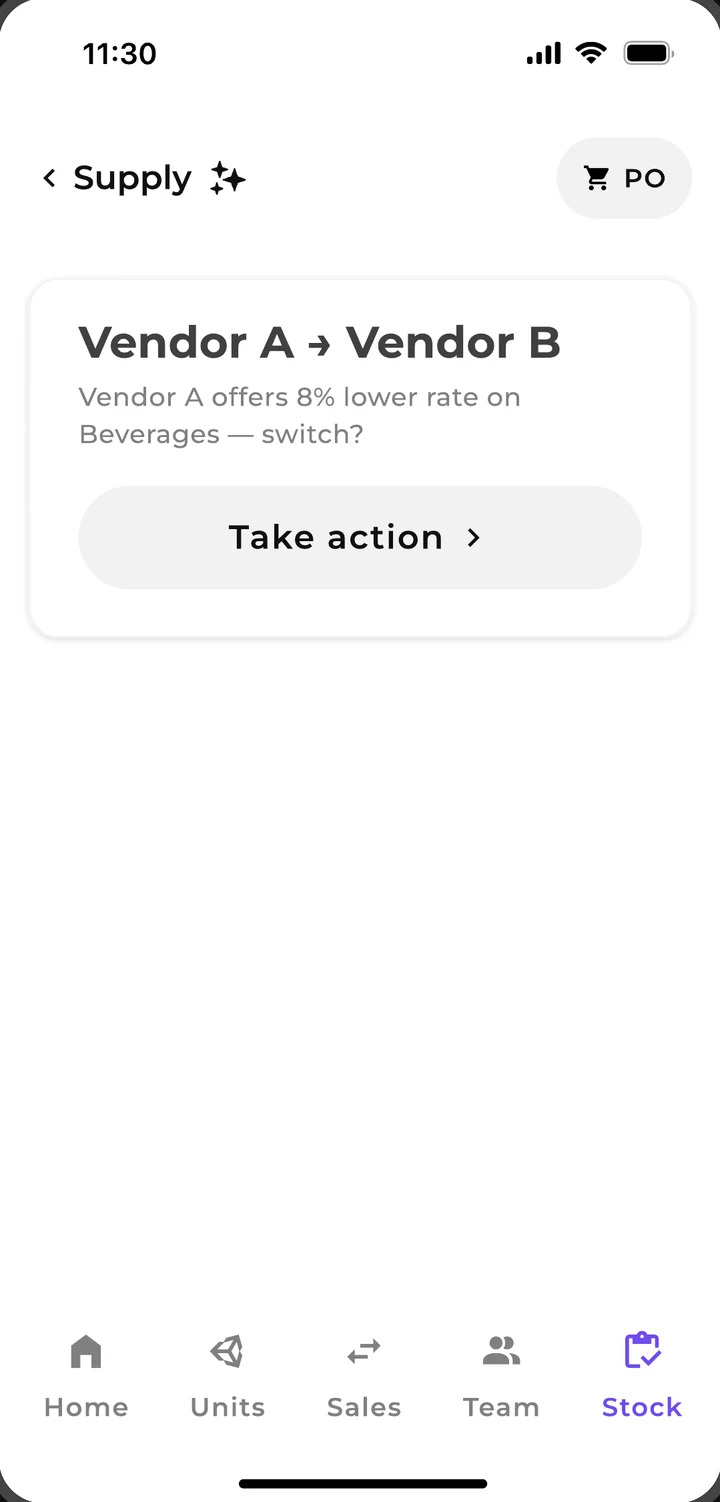
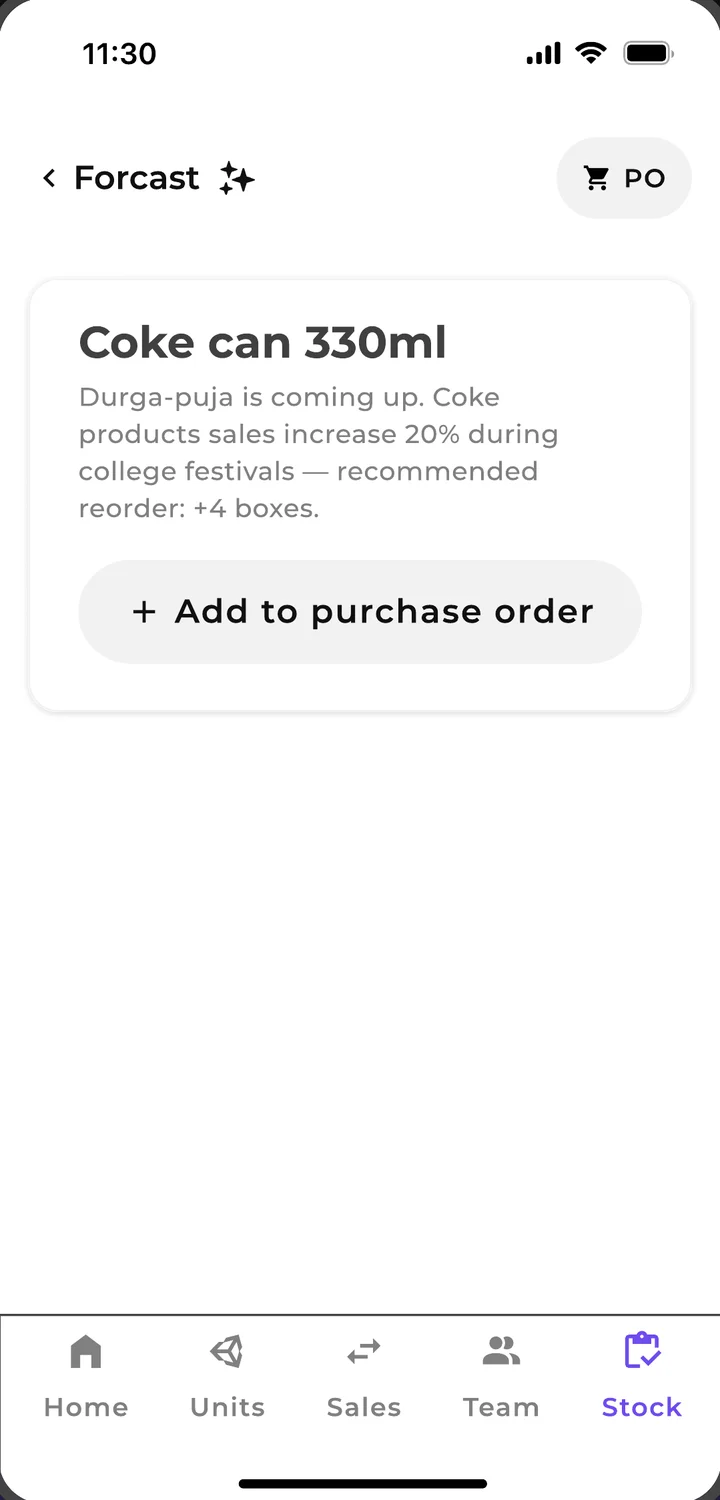
    4. 04Purchase orders run on gut feel

      Forecasting is based on experience, not data.

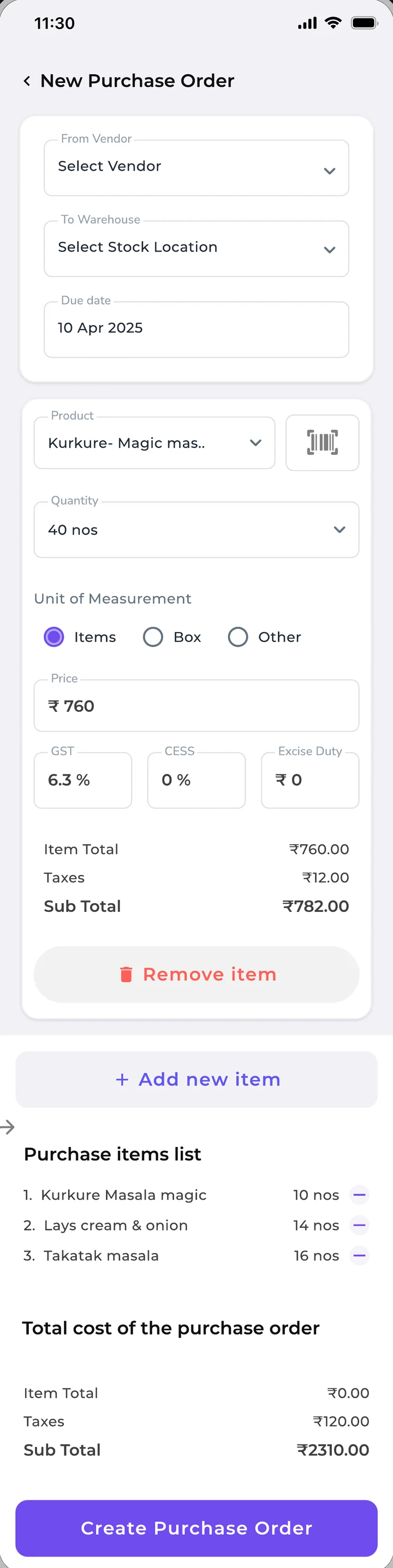
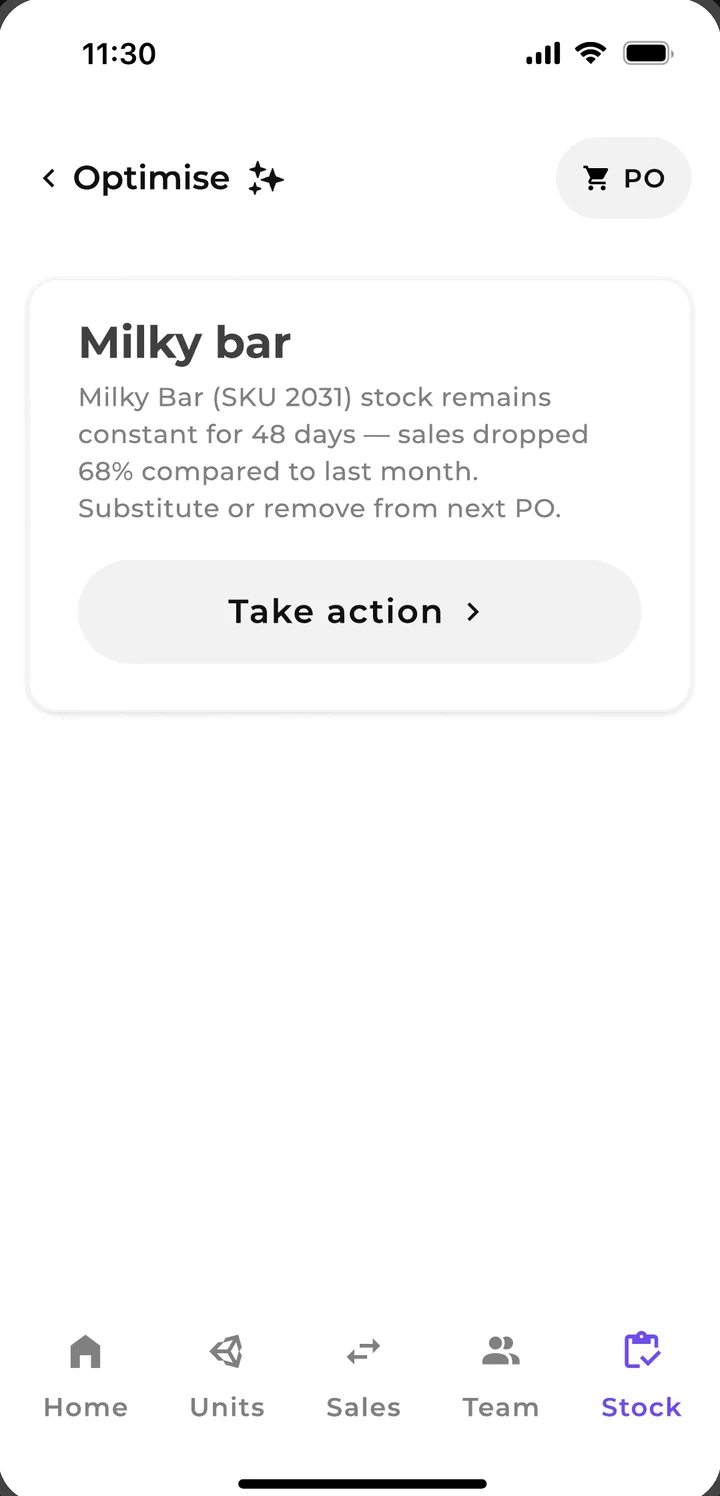
      UX decisionForecast, Optimise and Supply AI for data-driven buying.

    5. 05Refunds are hard to trace

      Each one costs an operator 10–15 minutes of digging.

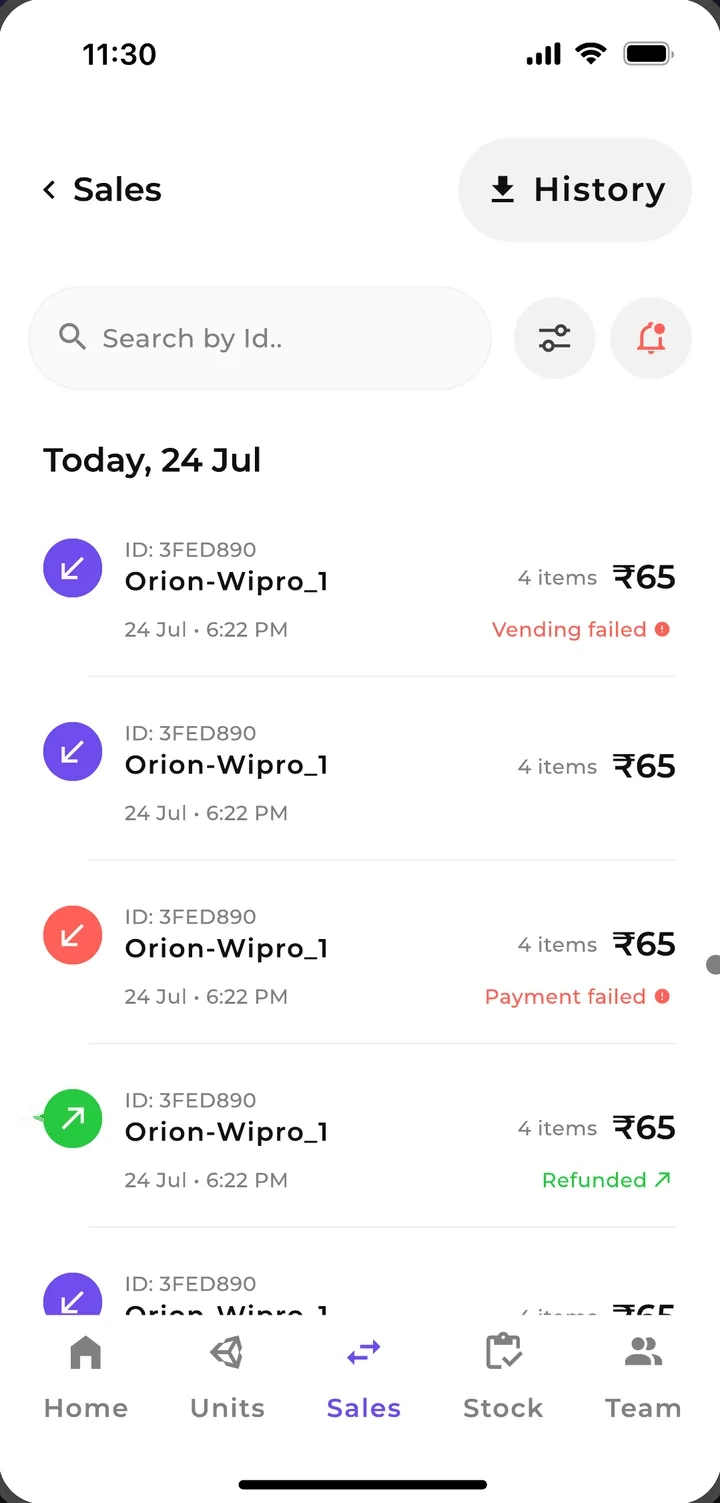
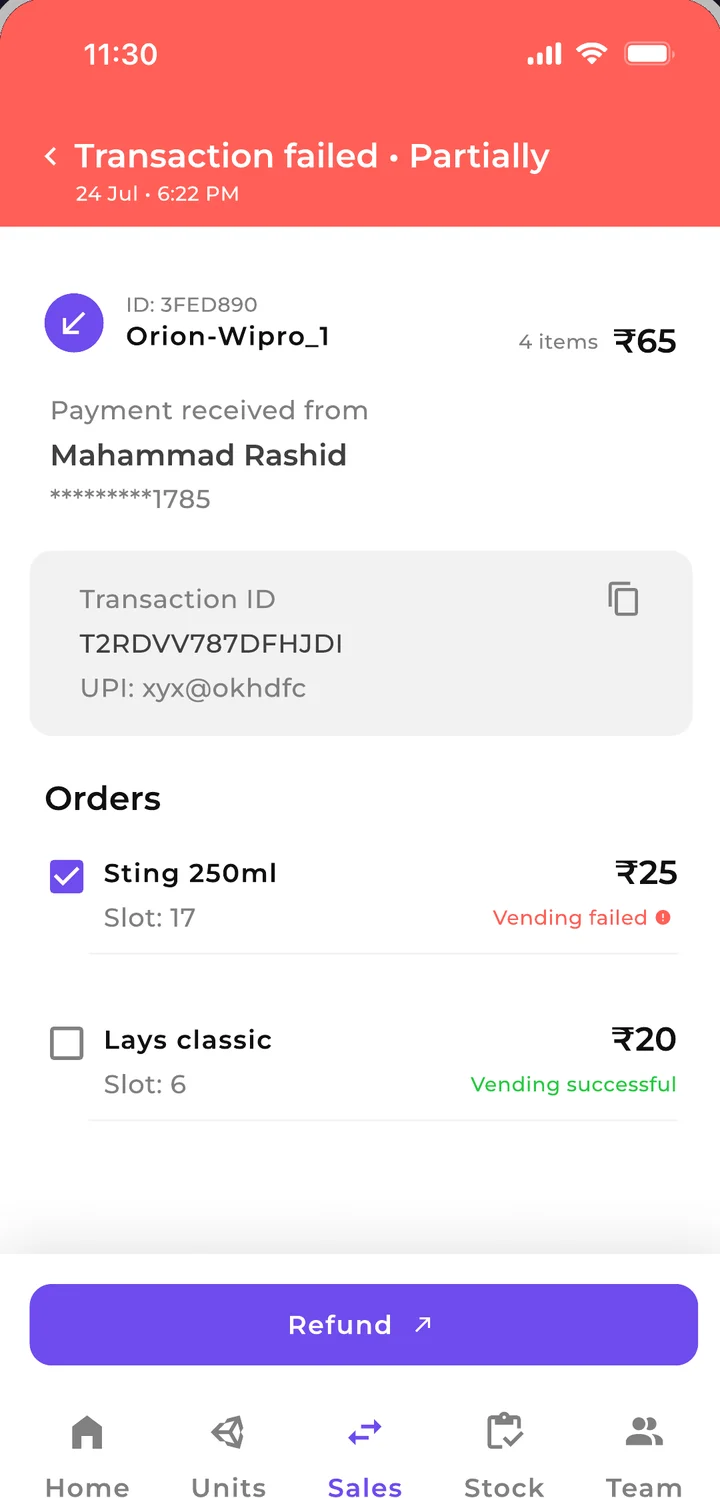
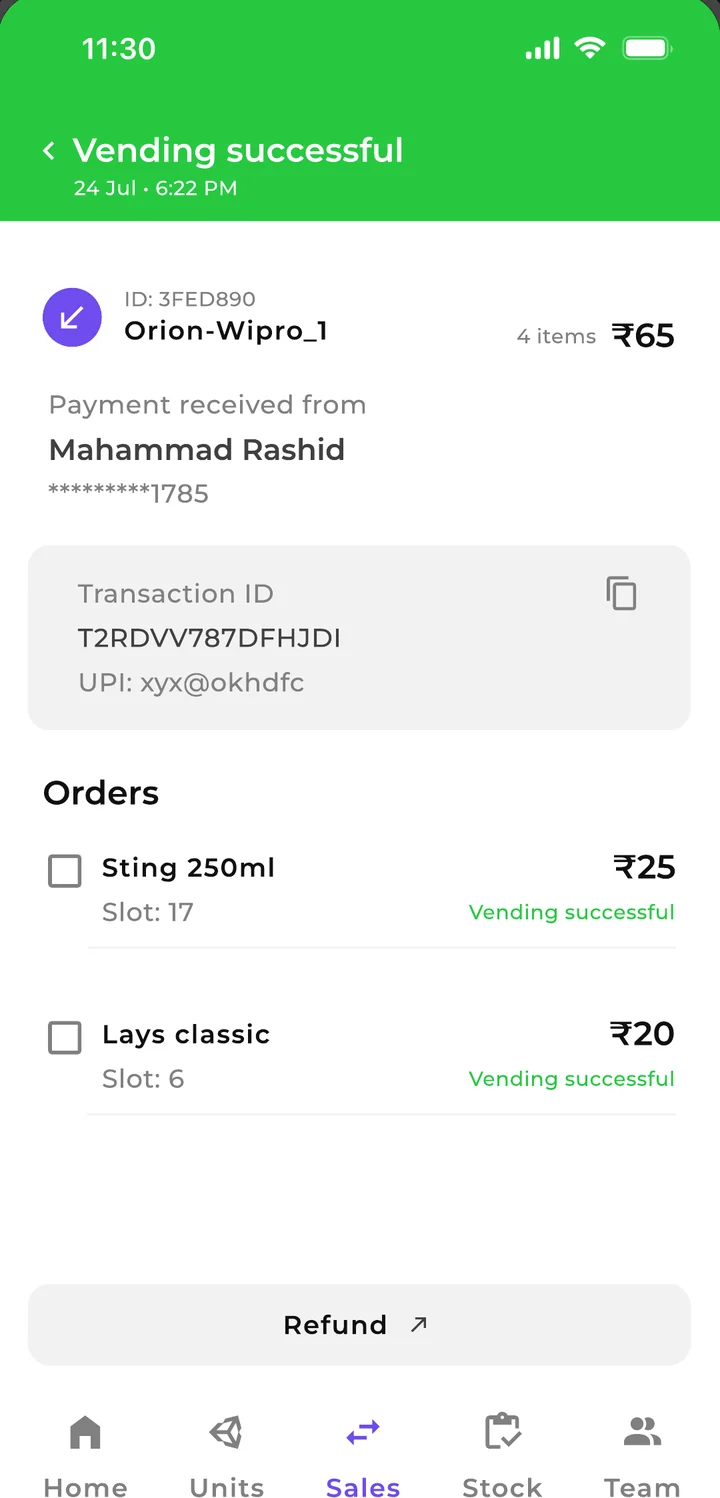
      UX decisionTransaction log with one-tap refunds and complete traceability.

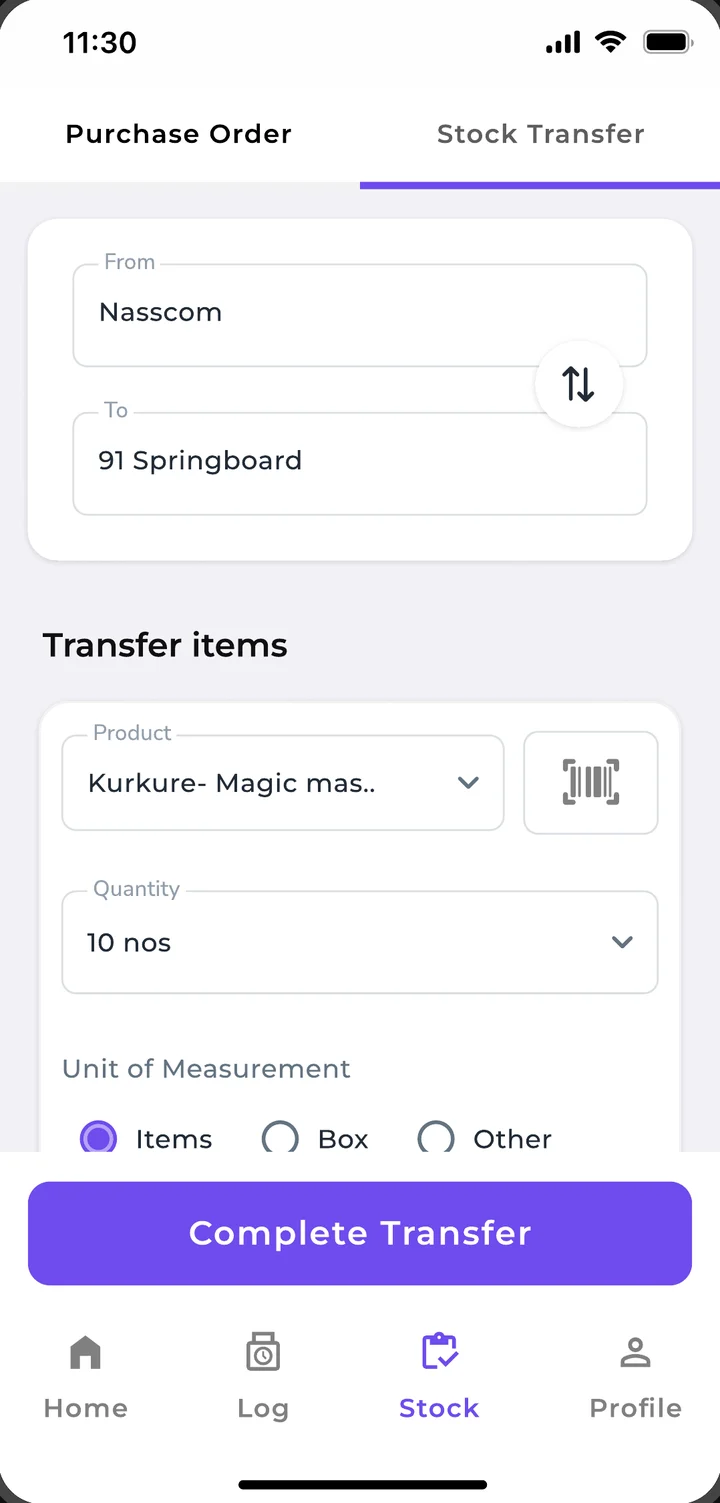
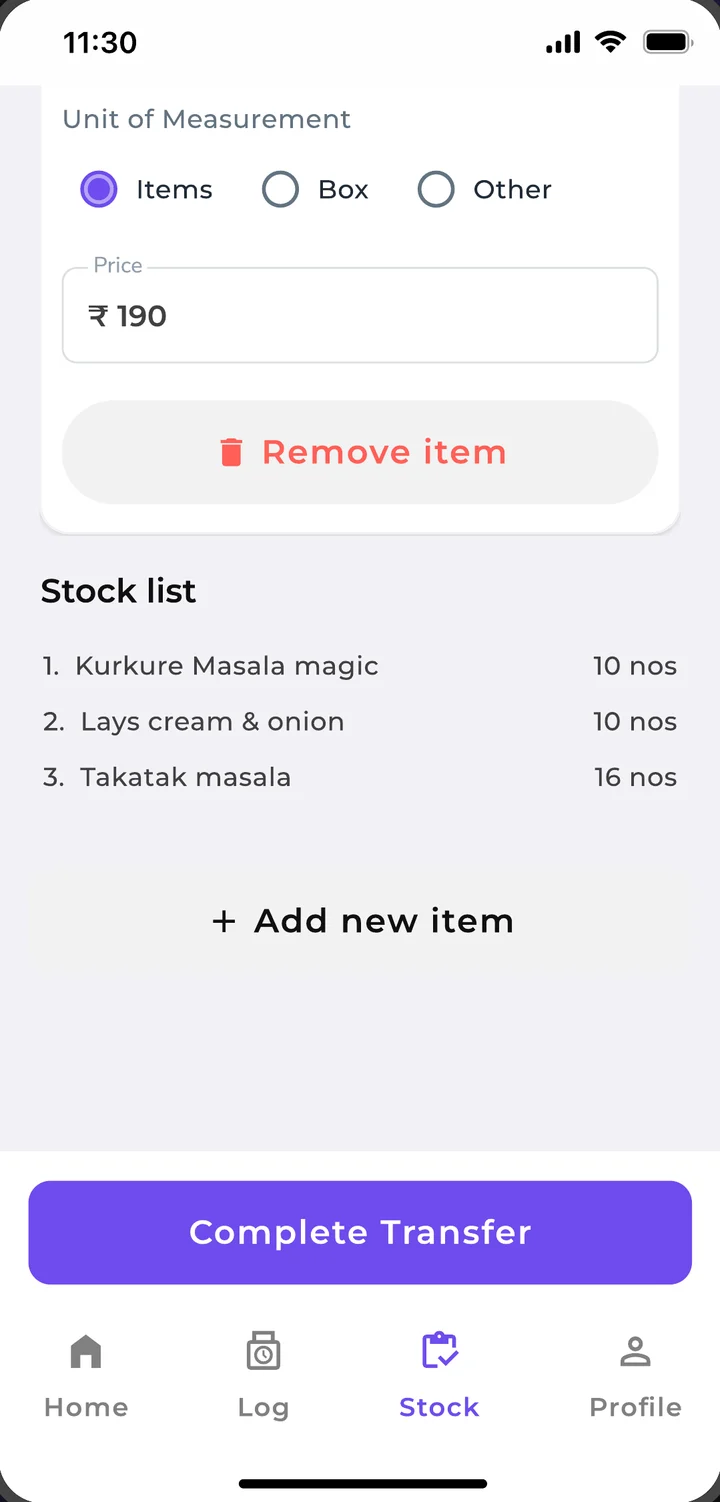
    6. 06Stock transfers leave no trail

      Stock moves between warehouses with no record, so audits don't add up.

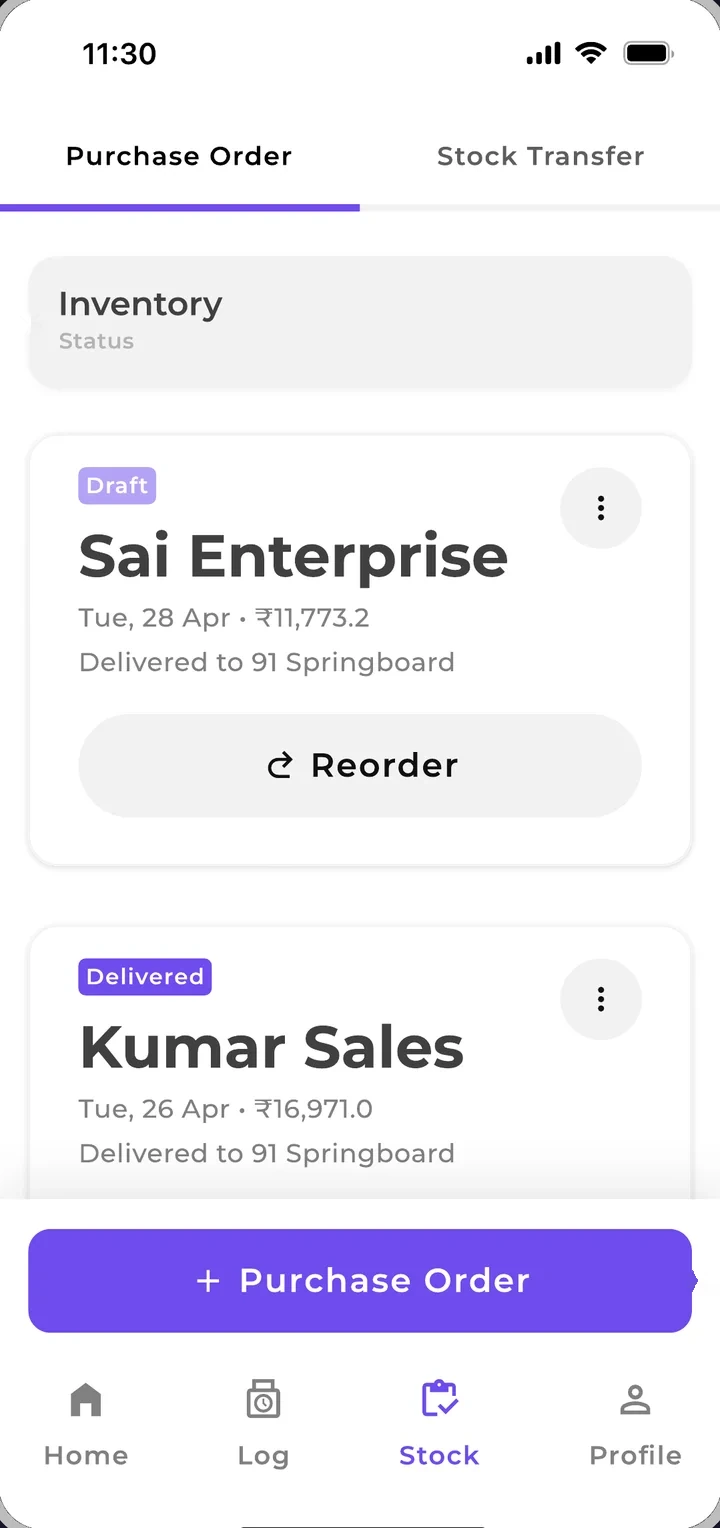
      UX decisionStock transfer flow with timestamps, logs and verification.

    06The vision

    Six fixes on separate screens would rebuild the same mess. So the machine became the source of truth, and everyone reads from it.

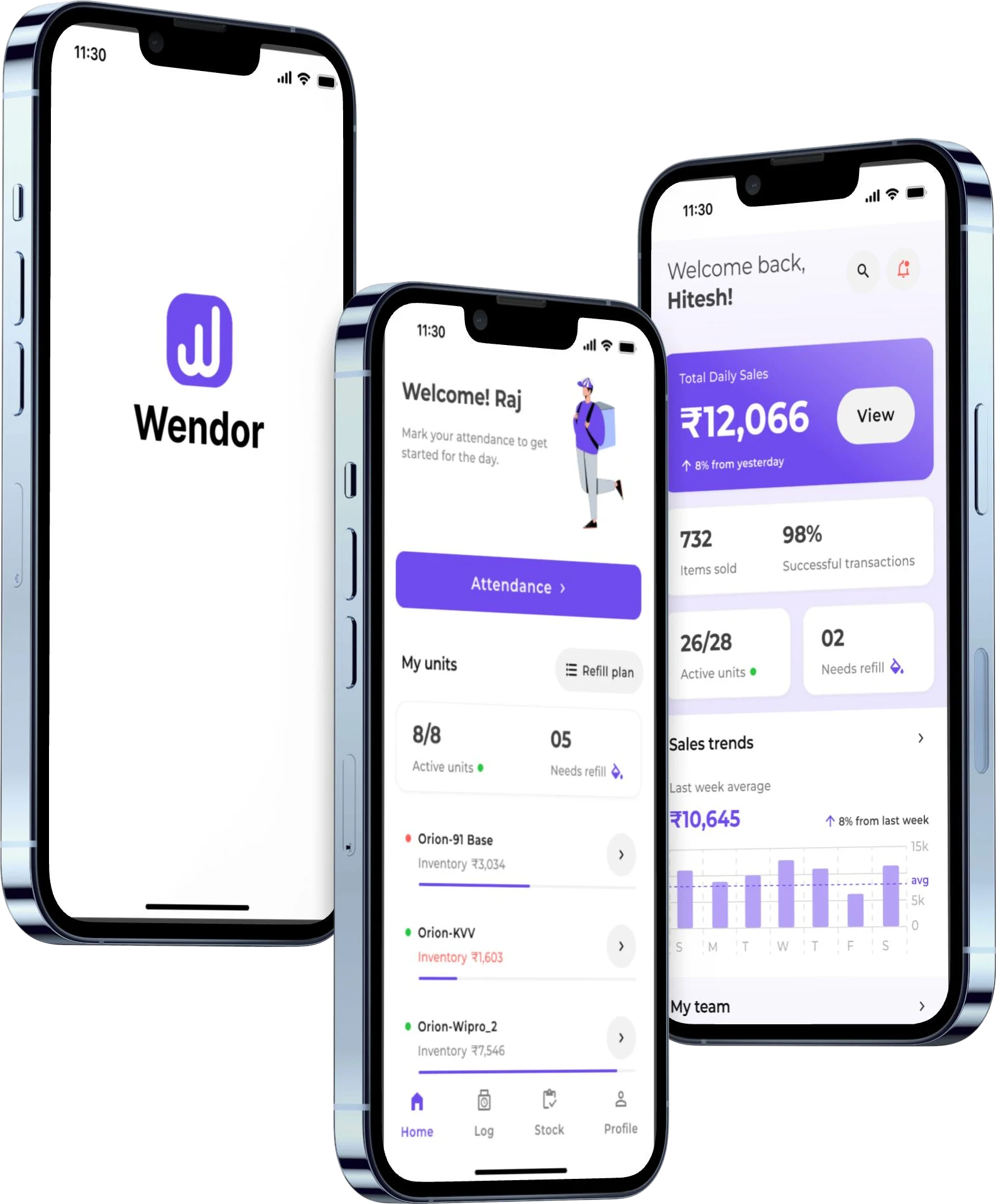
    Three phones: the Wendor splash screen, the refiller home and the operator dashboard
    Wendor platformOne source of truth
    500+ machinesLive stock and sales
    Refiller appPlan, refill, prove
    Operator appSee, decide, approve
    Warehouse and vendorsOrders and transfers, logged
    sales and slot data refill plan out, refill counts back live status, alerts, refunds purchase orders, transfers
    • Machines report what they need, live
    • Refillers know the plan before leaving the warehouse
    • Stock levels sync with every refill
    • Operators follow the team's progress live
    • Refunds become instant and verified
    • Audits have reliable digital proof
    • Forecasting turns predictive instead of reactive
    Information architecture

    Refiller

    • Units
      • Machine summary
      • Inventory details
      • Update inventory
    • Log
      • Start, pause, resume, end work
    • Stock
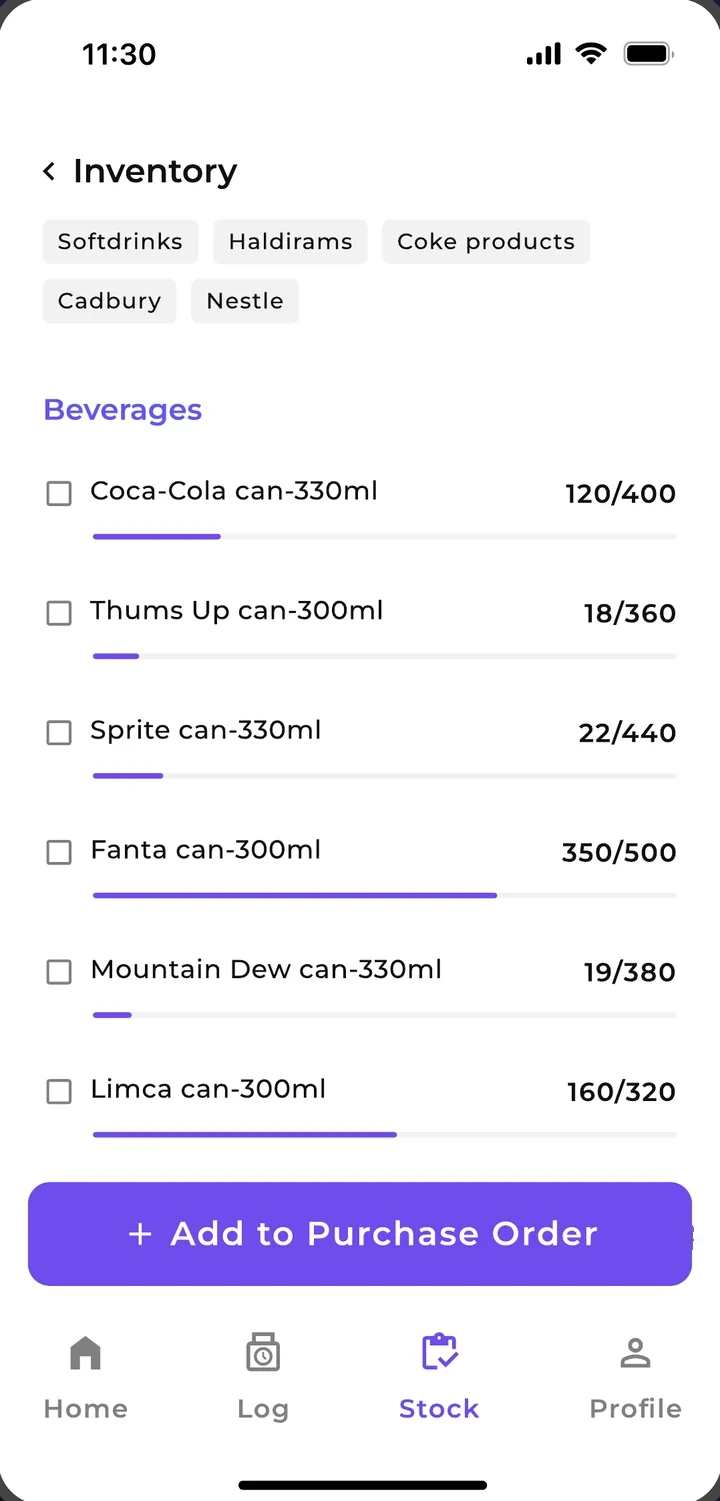
      • Purchase orders
      • Stock transfer
    • Profile

    Operator

    • Overview
      • Summary of the business
    • Units
      • Machine-wise summary
    • Sales
      • Transactions
      • Refunds
    • Team
      • Location and timestamps
    • Stock
      • Orders, transfers, AI tools

    07Refiller app

    Built for a bike, a bag of stock and one free hand. Few decisions, big targets, and the app does the remembering.

    Smart refill planner

    ProblemTrips planned on guesswork, bags with too much or too little, no idea which machine was urgent.

    SolutionLive stock for every machine with percentages and urgency, an exact list of what to carry, and AI substitutes when something's out.

    OutcomeShorter trips, less downtime, lower inventory cost.

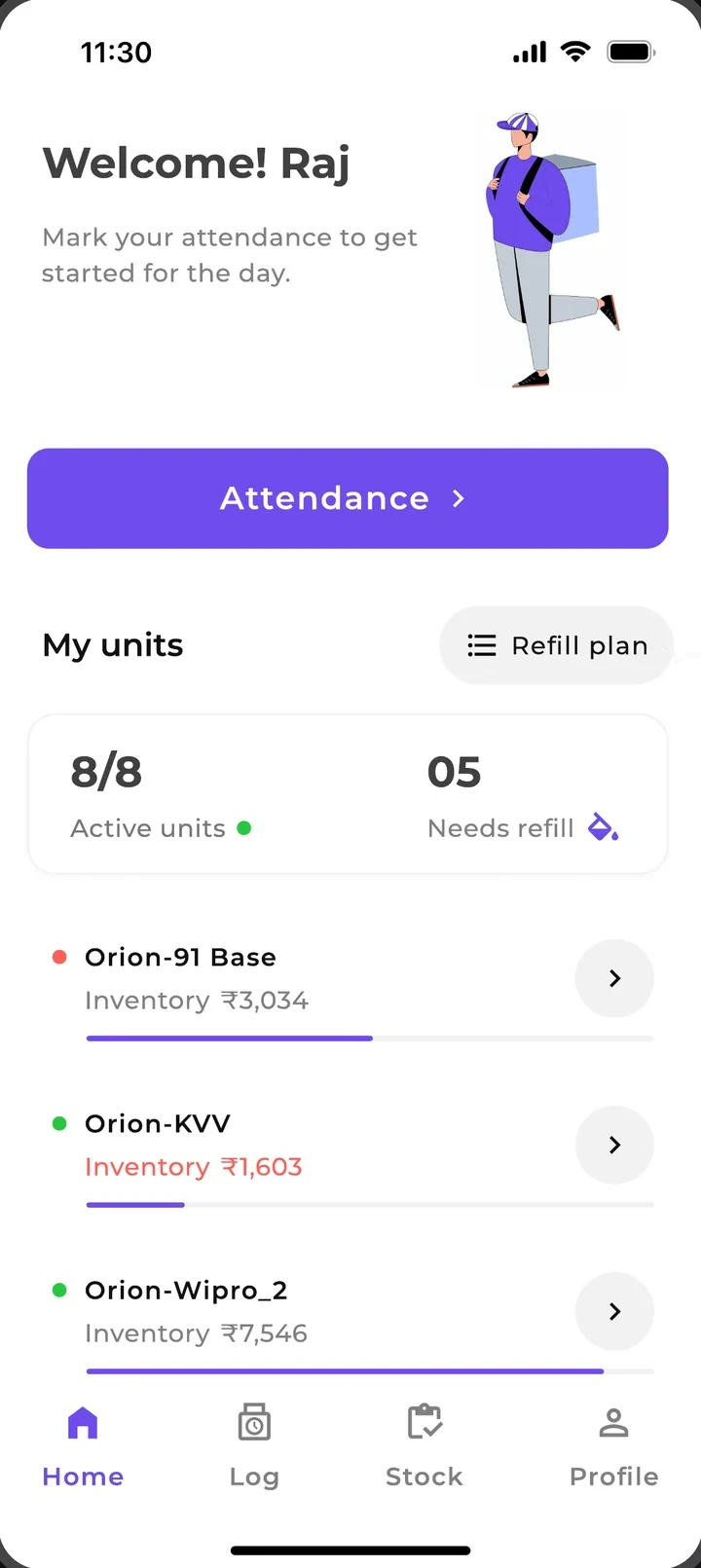
    Refiller home with machines and inventory bars
    Home, every machine at a glance
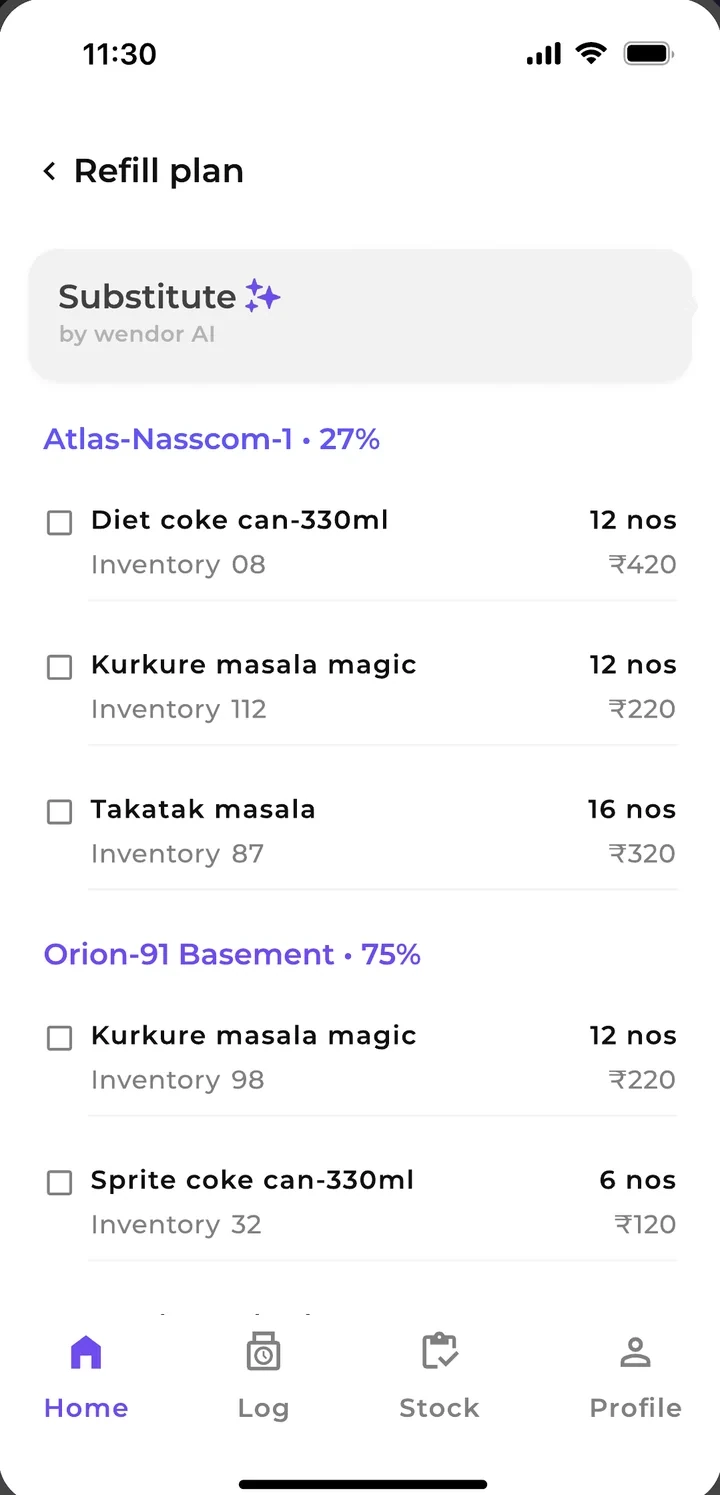
    Refill plan listing items per machine
    Refill plan, what to carry
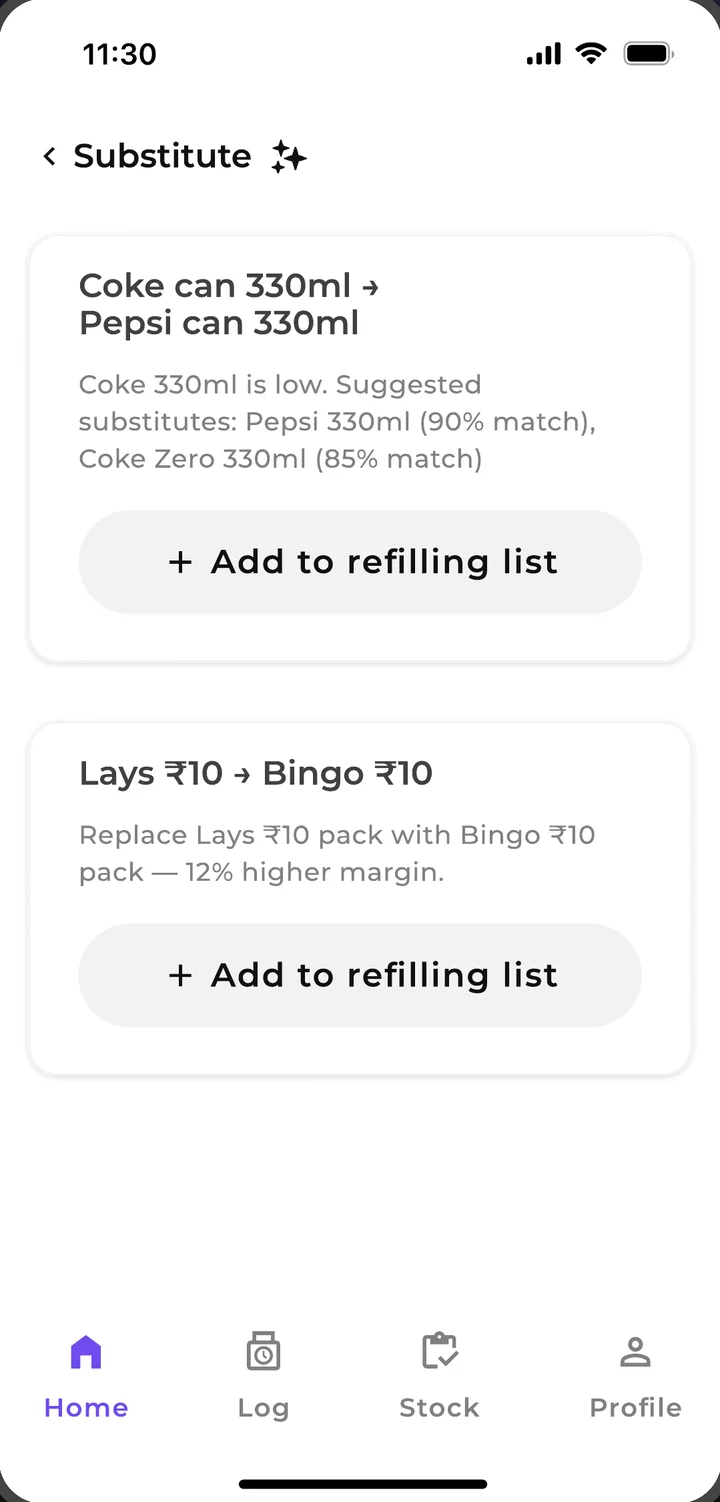
    AI substitute suggestions
    Substitutes by Wendor AI
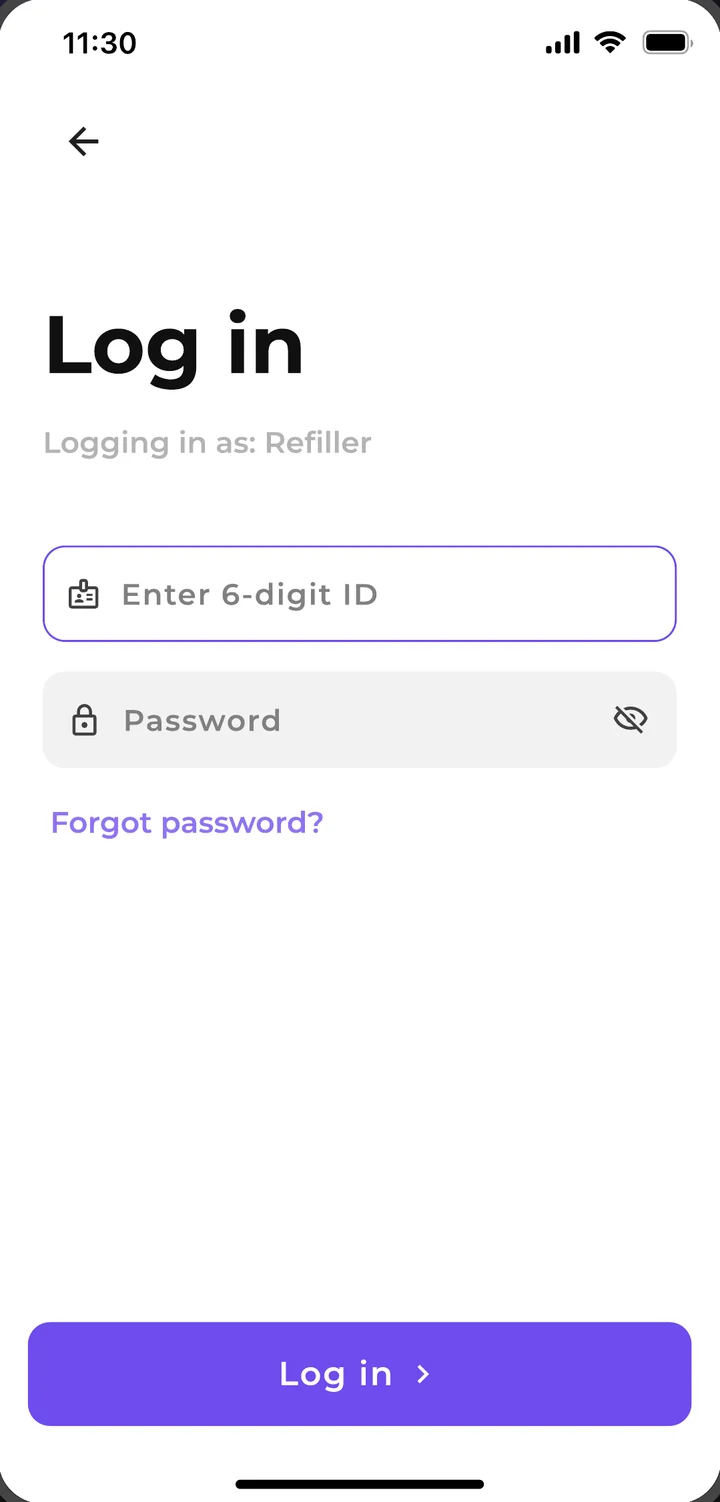
    Sign in and choose a role

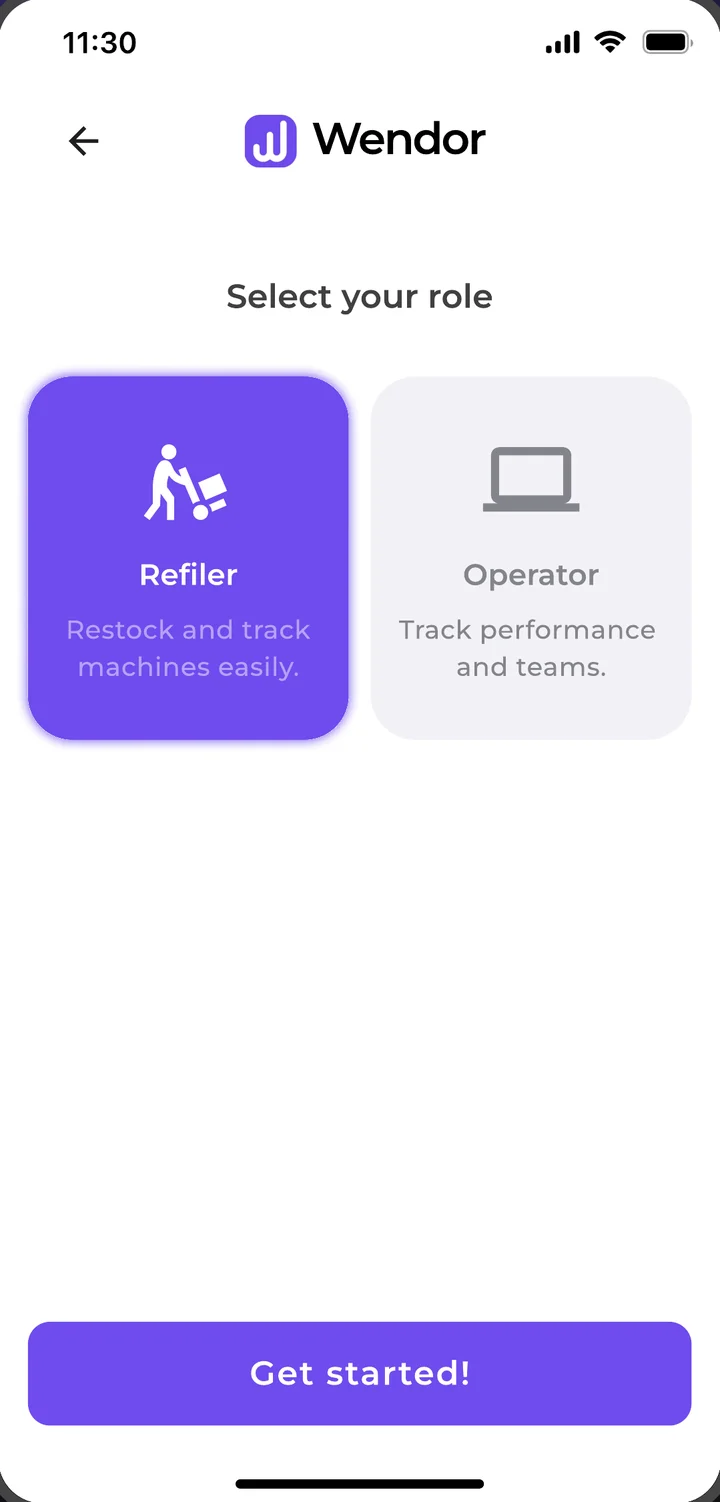
    One app, two roles. The role chosen at sign-in decides which side of the app opens.

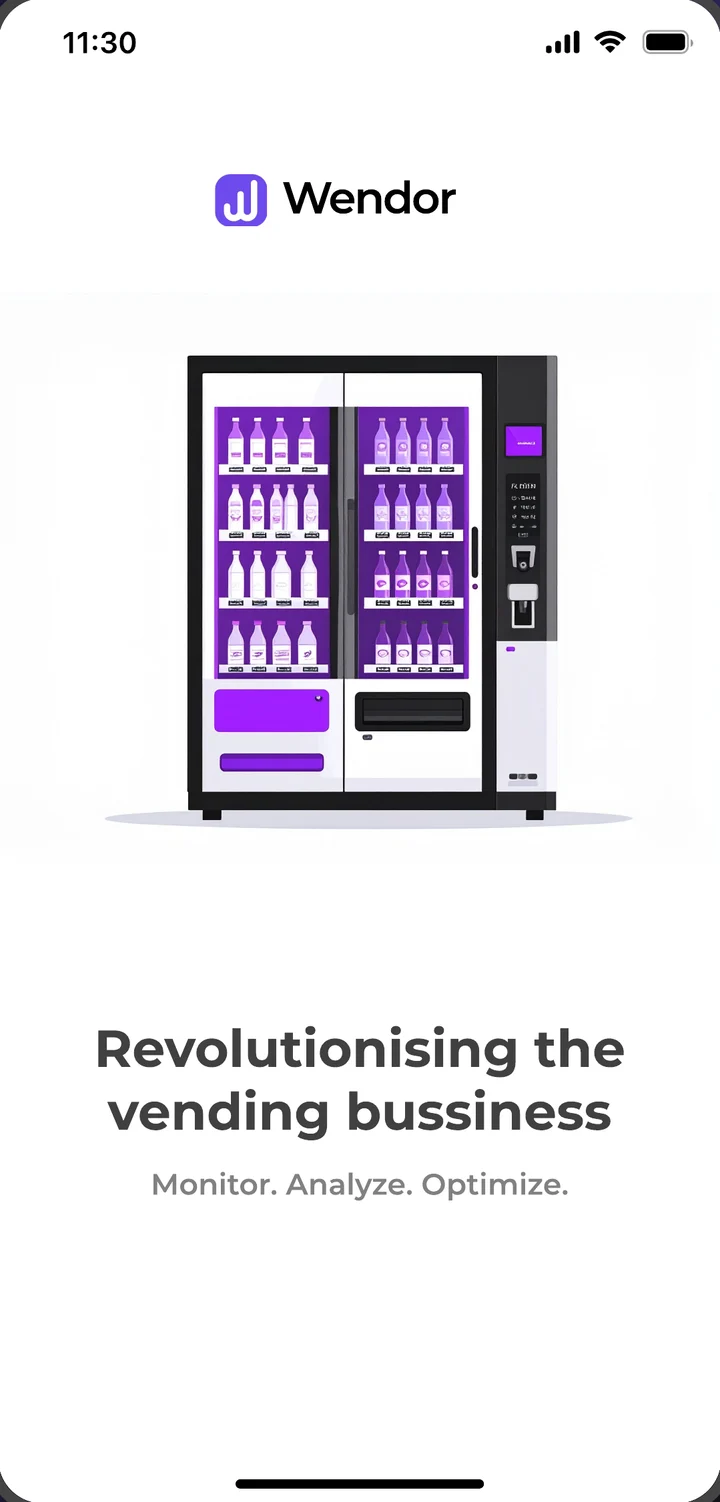
    Splash screen
    Splash
    Onboarding screen
    Onboarding
    Role selection
    Choose a role
    Log in
    Log in

    08Operator app

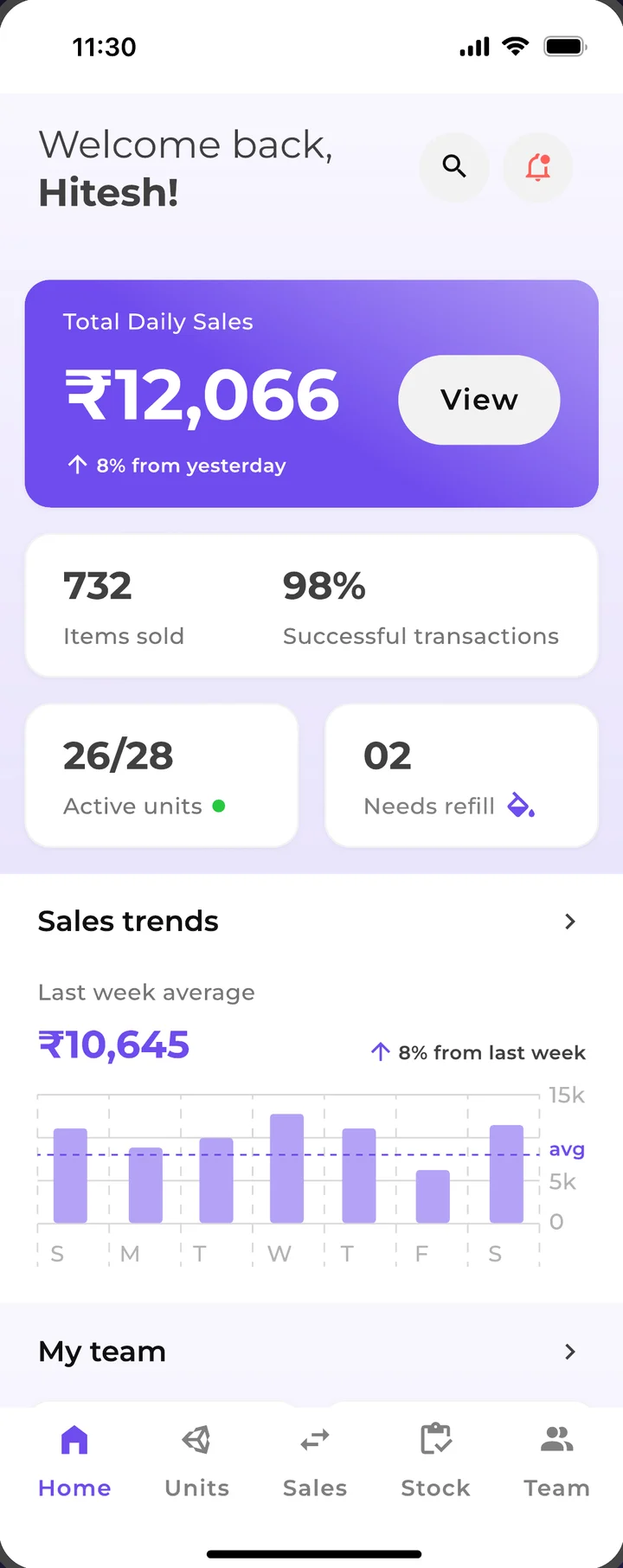
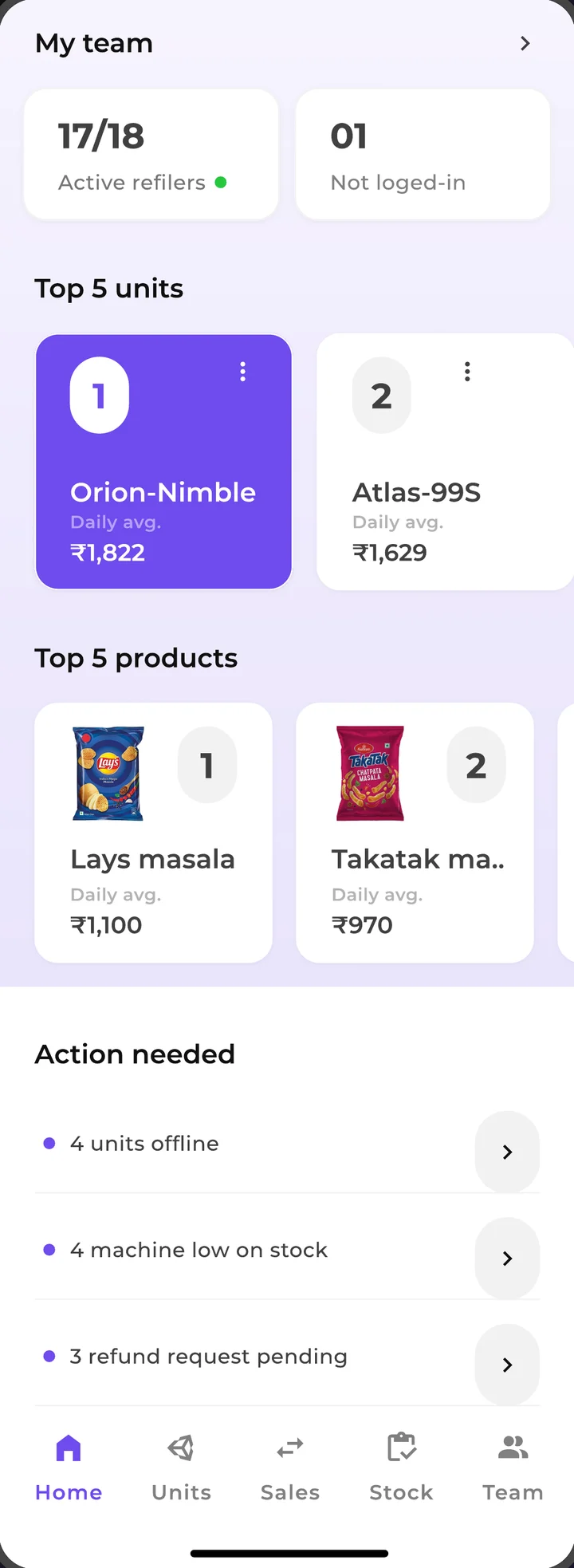
    Built to replace the morning round of phone calls. The business, the machines, the money and the team on one screen.

    Operator dashboard

    ProblemNo high-level view of sales, payment methods or the best and worst machines.

    SolutionToday's sales against yesterday, success rate, active units, weekly trend, top machines and products, and an action list of what needs attention.

    OutcomeDecisions made from data, not from the last phone call.

    Operator home with daily sales and weekly chart
    Sales, success rate, weekly trend
    Team, top units, top products and actions needed
    Team, top sellers, actions needed

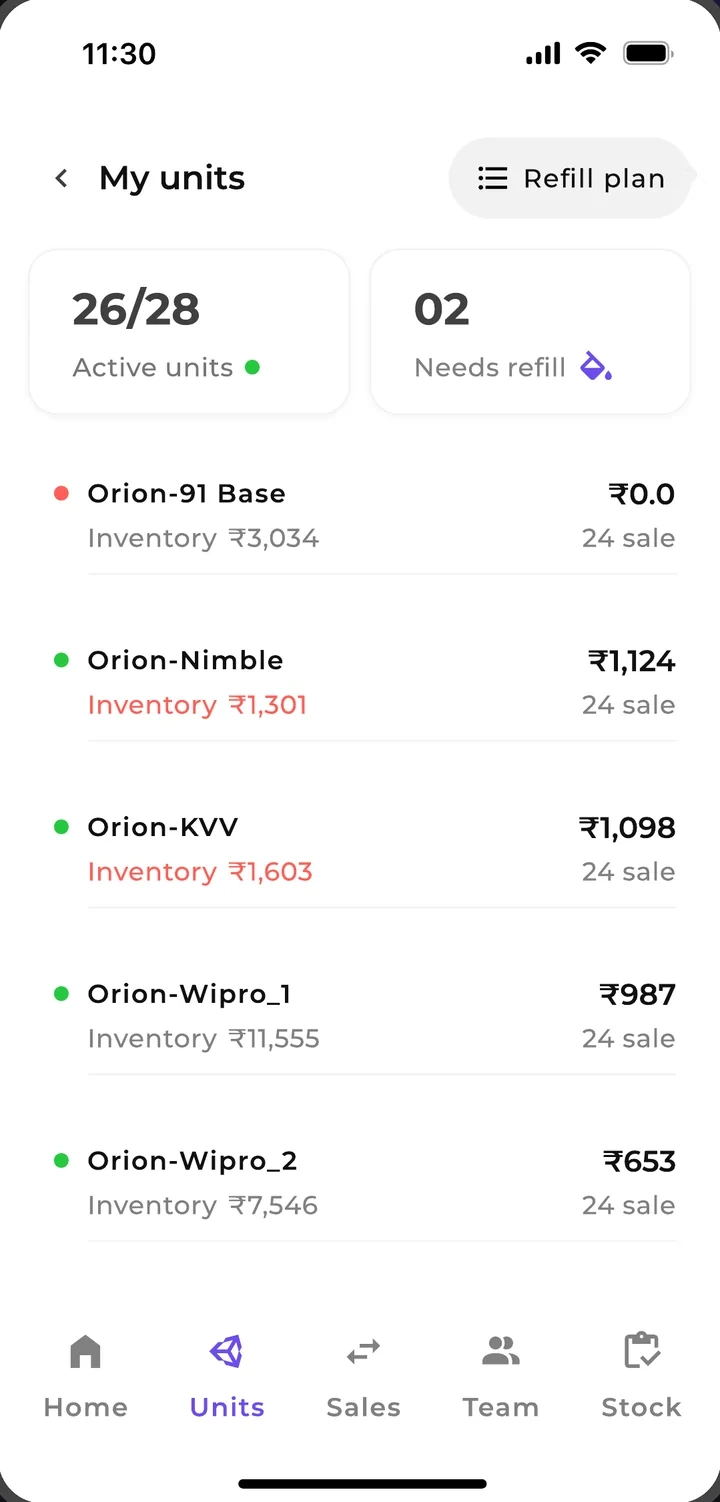
    Other screens

    09Business impact

    Across 500+ machines, the operation finally ran on data instead of memory.

    • −35%Refill errors

      Fewer mistakes thanks to real-time stock visibility.

    • −40%Stock imbalance

      Better forecasting and accurate refills.

    • +30%Operational efficiency

      Better routes and clearer task assignment.

    • Refund resolution

      Minutes to seconds, with instant checks and one-tap refunds.

    • Audit accuracy

      Cleaner logs and traceable actions.

    • Machine uptime

      More predictable, with alerts and remote monitoring.

    Indexed against the old process Before = 100

    Refill errors
    100 → 65
    Stock imbalance
    100 → 60
    Operational efficiency
    100 → 130
    • Before
    • With the new app

    The transformation

    Before

    • Manual inventory updates
    • WhatsApp communication
    • Guesswork stock planning
    • No team visibility
    • Delayed refunds
    • Scattered data
    • Inaccurate audits

    After

    • One connected system
    • Real-time visibility
    • Guided refilling
    • Smart procurement
    • Clear accountability
    • Data-driven decisions

    Key learnings

    1. 01

      Understanding systems

      Small on-ground inefficiencies cascade into business problems. I now design for the operation, not just the screen.

    2. 02

      Designing for clarity

      Complex logistics can become simple, data-driven interfaces that make decisions faster.

    3. 03

      Thinking beyond screens

      Connecting machines, warehouses and people is what builds transparency and trust at scale.

    Final reflection

    From becoming a refiller and an operator, to understanding pain beyond interviews, to flows that moved revenue and efficiency. UX isn't just screens. It's alignment, visibility, trust, clarity and systemic simplicity.